
Monthly Archives: August 2025

Changing Your Mindset: Why Brain Rewiring is the Key to Lasting Sobriety

Recovery is not just about putting down substances. True and lasting sobriety comes from transforming the way the brain thinks, reacts, and makes choices. Addiction changes brain chemistry, creating patterns that reinforce cravings, impulsive decisions, and destructive behaviors. The encouraging truth is that the brain can change again through a process called rewiring. With the right support, individuals can build new pathways that make sobriety not only possible but sustainable. At All Global Sites, we help clients embrace this process through personalized, holistic, and evidence-based care.

Understanding Brain Rewiring in Recovery

The Science of Change

When a person struggles with addiction, the brain’s reward system becomes hijacked. Substances flood the brain with dopamine, creating powerful reinforcement that conditions individuals to seek the substance again and again. Over time, this makes natural rewards such as relationships, work, or hobbies feel less fulfilling.

Rewiring the brain means interrupting these old loops and creating new patterns that prioritize health, connection, and purpose. Through neuroplasticity, the brain’s ability to form new connections, people can retrain their minds to respond differently to stress, cravings, and triggers.

Mindset Matters

Sobriety requires more than abstinence. It requires a mindset shift. A person who believes recovery is possible is far more likely to engage fully in the process. This change in thinking empowers individuals to make healthier decisions, develop resilience, and see themselves as capable of living a meaningful life without substances.

How Residential Rehab Supports Brain Rewiring

Safe and Structured Healing

Inpatient treatment provides the stable foundation needed to rewire the brain. Away from the chaos of addiction triggers, individuals can focus entirely on recovery. Consistent routines, therapeutic interventions, and 24/7 support help establish the new habits and thought patterns that lead to long-term healing.

Therapeutic Tools That Retrain the Brain

At All Global Sites, we use proven therapies such as Cognitive Behavioral Therapy (CBT), trauma-informed care, and mindfulness practices. CBT challenges negative thought patterns and replaces them with balanced, constructive ones. Mindfulness teaches awareness and self-regulation, allowing the brain to respond thoughtfully instead of reacting impulsively. Over time, these tools help individuals break the cycle of addiction and create healthier mental pathways.

Holistic and Faith-Based Approaches

Brain rewiring is not limited to science alone. Healing also involves the spirit and emotions. Holistic therapies such as yoga, art, and meditation engage different areas of the brain and support emotional balance. For those seeking spiritual guidance, faith-based recovery provides encouragement, strength, and renewed purpose. This whole-person approach accelerates the brain’s ability to heal and sustain change.

Reinforcing Recovery Beyond Rehab

Rewiring the brain does not stop when treatment ends. Continued support through outpatient care, peer groups, and counseling strengthens the progress made during rehab. The more these new patterns are practiced, the stronger they become. With time, healthy coping mechanisms become second nature, making relapse less likely and long-term recovery more achievable.

A New Way of Thinking, A New Way of Living

Lasting sobriety is not only about avoiding substances. It is about creating a new mindset that supports a healthier, more fulfilling life. By rewiring the brain, individuals learn to replace old destructive habits with positive, life-giving ones. At All Global Sites, we walk alongside our clients as they rebuild both their minds and their futures. If you or someone you love is ready to take the first step toward lasting recovery, reach out today. Change begins with a single decision, and the path to healing is within your reach.
Neuroplasticity in Action: How Rehab Helps the Brain Heal from Addiction

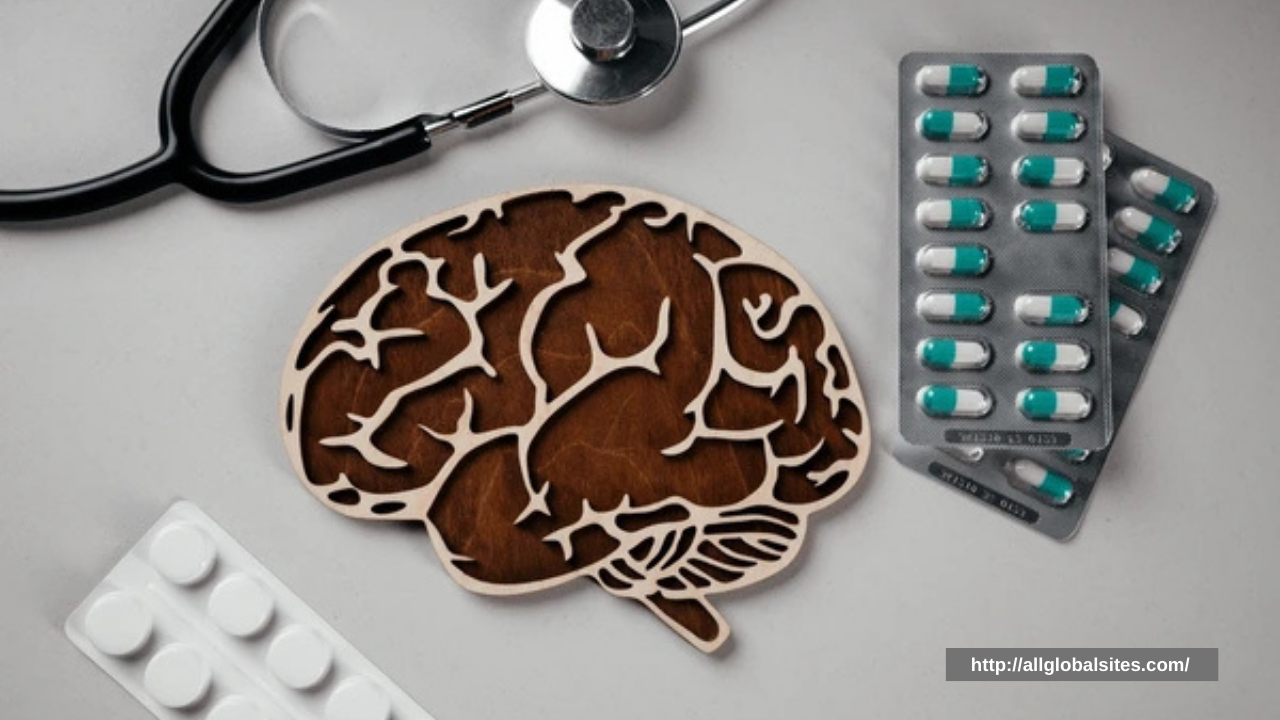
Addiction is not simply a matter of willpower. It is a complex brain condition that changes the way people think, feel, and behave. Substance use alters brain chemistry, reinforcing harmful patterns that can feel impossible to break. The good news is that the brain has an incredible ability to heal through a process called neuroplasticity. With the right treatment and environment, individuals can form new, healthy neural pathways that support long-term recovery. At All Global Sites, our residential and outpatient programs are designed to harness this power of neuroplasticity, guiding clients toward sustainable healing.

What Is Neuroplasticity and Why Does It Matter in Recovery?

Neuroplasticity refers to the brain’s ability to reorganize itself by forming new connections between neurons. This process happens throughout life, but it is especially powerful during addiction recovery. Years of substance use can train the brain to seek immediate rewards and ignore long-term consequences. Through targeted therapy and consistent support, rehab helps retrain the brain to respond differently to triggers and stress.

Breaking the Old Patterns

When someone enters treatment, they begin to interrupt the harmful cycles that addiction has built. The absence of substances allows the brain’s chemistry to start returning to balance. This creates the foundation for new thought patterns, coping mechanisms, and healthier habits to take root.

How Residential Rehab Promotes Brain Healing

A Safe and Structured Environment

In residential care, clients are removed from the distractions and triggers of everyday life. This controlled setting gives the brain the time and space it needs to recover. Without constant exposure to old cues, individuals can focus fully on building new patterns of thinking and behavior.

Evidence-Based Therapies

All Global Sites incorporates therapies proven to support neuroplasticity, including Cognitive Behavioral Therapy (CBT), mindfulness training, trauma-informed counseling, and holistic wellness practices. These interventions challenge old beliefs, reinforce positive behaviors, and strengthen emotional regulation.

For example, CBT helps individuals recognize distorted thinking and replace it with realistic, healthy perspectives. Mindfulness teaches awareness of thoughts and feelings without acting on harmful impulses, which rewires the brain’s response to stress.

Physical Wellness and Brain Recovery

Nutrition, exercise, and sleep play a critical role in brain healing. A balanced diet provides the nutrients needed for neurotransmitter production. Physical activity increases blood flow to the brain, promoting the growth of new neural connections. Adequate rest allows the brain to repair itself, strengthening cognitive functions and emotional stability.

The Role of Faith-Based and Holistic Healing

Healing the brain is not just about science. At All Global Sites, we understand that mind, body, and spirit are interconnected. Our faith-based programs offer spiritual support for those who seek it, while holistic therapies such as yoga, art, and meditation nurture emotional well-being. Addressing the whole person encourages a deeper and more lasting recovery.

Long-Term Support for Lasting Change

Neuroplasticity is a continuous process. The positive changes formed in rehab can be strengthened through aftercare programs, ongoing therapy, and peer support groups. By reinforcing new neural pathways over time, clients can maintain sobriety and improve their overall quality of life.

Your Brain Can Heal and So Can Your Life

Addiction may change the brain, but recovery can change it back. With the right care, environment, and commitment, neuroplasticity allows people to replace destructive patterns with healthy, life-giving habits. At All Global Sites, we combine science, compassion, and individualized treatment to help clients rebuild both their minds and their futures. If you or someone you love is ready to begin the healing process, contact us today. A stronger, healthier brain — and a brighter future — is possible.

Breaking the Habit Loop: The Neuroscience Behind Residential Treatment and Recovery

Addiction is more than a series of bad choices. It is a deeply rooted condition that alters the brain’s reward system, affecting behavior, decision-making, and emotional regulation. For individuals struggling with substance use, understanding the neuroscience behind addiction can provide hope and direction. Residential treatment offers a proven, science-backed path to recovery by targeting the brain’s “habit loop” and replacing destructive patterns with healthy, life-affirming behavior.

At All Global Sites, we specialize in holistic, faith-based, and individualized approaches to addiction recovery. Our residential programs are grounded in both compassion and clinical evidence, offering clients the opportunity to heal the brain and body in a safe, structured environment.

What Is the Habit Loop and How Does It Fuel Addiction?

Understanding the Cycle

The habit loop is a well-studied neurological process that consists of three parts: cue, routine, and reward. In the context of addiction, a stressful situation (cue) might lead to drug or alcohol use (routine), which produces a temporary sense of relief or pleasure (reward). Over time, this loop becomes deeply ingrained, making it difficult to break without targeted intervention.

The brain’s reward system, particularly the release of dopamine, plays a central role in reinforcing this loop. Every time a person uses substances, their brain receives a flood of dopamine. This chemical reinforcement strengthens the behavior, even when the negative consequences are evident.

Why Willpower Isn’t Enough

Once the habit loop is established, the brain begins to crave the routine regardless of the consequences. This is why many individuals find it nearly impossible to quit on their own. The brain is essentially wired to seek the reward. Residential treatment is designed to disrupt this loop and help individuals rewire their thought patterns in a sustainable way.

How Residential Treatment Rewires the Brain

A Controlled, Trigger-Free Environment

In residential care, clients are removed from the environments and triggers that reinforce substance use. This break from routine allows the brain to begin healing. Without constant exposure to cues, individuals have the mental space to reflect, rebuild, and recover.

Therapeutic Interventions That Support Brain Change

Our programs include evidence-based therapies such as Cognitive Behavioral Therapy (CBT), Dialectical Behavior Therapy (DBT), trauma-informed counseling, and faith-based support. These modalities help identify unhealthy thought patterns, build emotional resilience, and teach practical tools for managing stress and cravings.

CBT, in particular, is known for its effectiveness in disrupting the habit loop by helping individuals recognize the triggers and consequences of their behavior. Clients learn to respond differently to stressors, gradually replacing old routines with healthier ones.

Neuroplasticity and New Habits

The human brain is capable of change. Through neuroplasticity, new neural pathways can be formed that support recovery and wellness. Residential treatment reinforces this by providing a structured daily schedule, peer support, and wellness practices like mindfulness, exercise, and nutrition. These elements promote cognitive healing and long-term behavioral change.

A Personalized Path to Recovery

At All Global Sites, we know that recovery is not one-size-fits-all. Every client receives an individualized treatment plan tailored to their unique needs, history, and goals. Whether someone is battling opioid dependence, alcohol addiction, or co-occurring mental health conditions, our team designs a recovery journey that addresses the full spectrum of their experience.

Our holistic care approach considers every aspect of the person—mind, body, and spirit. By addressing trauma, improving physical health, and restoring emotional balance, we help clients not just survive addiction but thrive in recovery.

Support That Extends Beyond Treatment

Residential treatment is only the beginning. We prepare each client with a long-term recovery plan that includes outpatient support, relapse prevention strategies, and connections to a recovery community. True healing is a lifelong process, and we walk alongside our clients every step of the way.

Conclusion: Start Your Healing Journey Today

Breaking the habit loop takes more than determination. It takes the right environment, evidence-based tools, and compassionate support. At All Global Sites, our residential treatment programs are built to help you reclaim your life from addiction. If you or a loved one is ready to take the next step, contact us today. A healthier, more hopeful future begins now.