Monthly Archives: July 2025

Healing from the Inside Out: How Residential Rehab Rewires the Addicted Brain

Addiction is not just a bad habit—it’s a chronic brain disease that changes how a person thinks, feels, and behaves. Prolonged substance use physically alters the brain’s reward system, weakening self-control and creating powerful cravings. To break free from this cycle, individuals need more than just willpower—they need a process that heals the brain from the inside out. Residential rehabilitation offers the immersive, consistent environment necessary to help rewire the addicted brain and lay the foundation for long-term sobriety.

Understanding the Addicted Brain

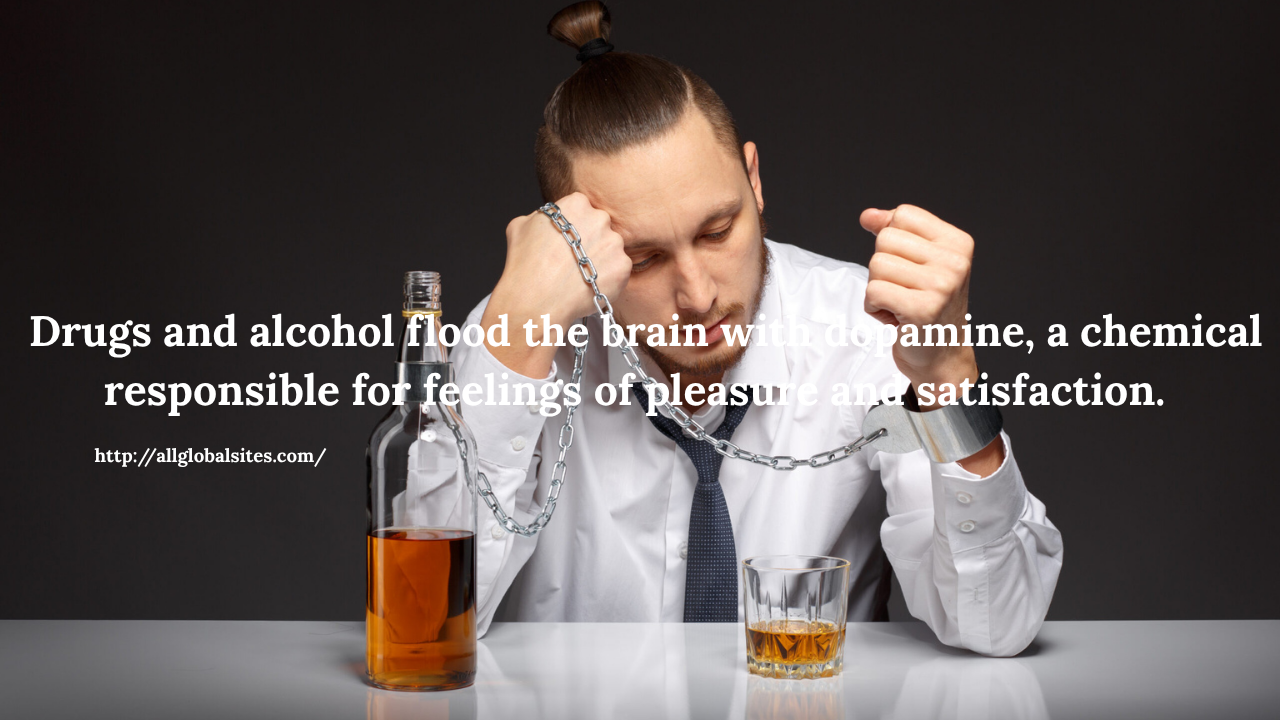
Substance abuse hijacks the brain’s natural reward system. Drugs and alcohol flood the brain with dopamine, a chemical responsible for feelings of pleasure and satisfaction. Over time, the brain becomes dependent on these substances to feel good—or even just to feel normal. Natural sources of pleasure, like relationships, hobbies, or accomplishments, lose their appeal as addiction takes hold.

Additionally, addiction weakens the brain’s prefrontal cortex, the area responsible for decision-making, impulse control, and long-term planning. This is why individuals often continue using despite knowing the severe consequences. Their brain is wired to seek the next high at any cost.

How Residential Rehab Supports Brain Rewiring

Recovery from addiction is about more than stopping substance use—it’s about teaching the brain new ways to think, respond, and cope. Residential rehab provides the intensive support needed for this process, also known as neuroplasticity, where the brain forms new connections and healthier patterns over time.

Consistent Routine and Healthy Habits

Residential rehab programs are structured and consistent. Individuals follow daily routines that include therapy, group support, exercise, healthy meals, and time for rest. This repetition helps the brain adapt to new, healthier habits, slowly replacing the chaos and unpredictability of addiction with stability and balance.

Therapeutic Interventions

Therapies such as Cognitive Behavioral Therapy (CBT), Dialectical Behavior Therapy (DBT), and trauma-focused counseling are central to brain rewiring. These therapies help individuals identify negative thought patterns, challenge destructive behaviors, and develop healthier coping mechanisms. Over time, these new ways of thinking reshape the brain’s pathways, improving emotional regulation and self-control.

Mindfulness and Stress Reduction

Practices like meditation, yoga, and mindfulness exercises are often integrated into residential treatment. These activities help calm the overactive stress centers of the brain, reduce cravings, and improve mental clarity. Research shows that mindfulness can even change brain structure, strengthening the areas involved in focus and emotional balance.

Physical Healing Supports Brain Health

Addiction often damages the body, which in turn affects the brain. In residential rehab, nutrition, exercise, and medical care help restore physical health, providing the body and mind with the fuel needed for healing and cognitive recovery.

Conclusion

Residential rehab offers more than just a break from substances—it offers a chance to heal from the inside out. Through structure, therapy, and holistic care, individuals can rewire their addicted brains, creating new thought patterns, emotional responses, and behaviors that support lasting sobriety. Recovery isn’t just about stopping addiction—it’s about transforming the mind for a healthier, more fulfilling life.

Beyond Sobriety: How Residential Rehab Builds a Foundation for a New Life

For many, entering residential rehab is the first meaningful step toward breaking free from addiction. But recovery isn’t just about putting down the drink or drug—it’s about building an entirely new way of living. Residential rehabilitation doesn’t just help individuals achieve sobriety; it lays the foundation for a healthier, more purposeful life after addiction.

Sobriety Is Just the Beginning

Achieving sobriety is a crucial milestone, but it’s only the starting point. Many people come to rehab after years of emotional pain, damaged relationships, and loss of direction. While stopping substance use is essential, staying sober long-term requires significant lifestyle changes. Residential rehab provides the tools, structure, and support needed to make those changes sustainable.

Within a residential setting, individuals are given the time and space to step away from destructive environments and reflect on the choices that brought them to this point. This pause in everyday life allows for deep personal insight and healing.

Building Healthy Habits and Routines

One of the key advantages of residential treatment is its structure. Rehab programs follow daily routines that include therapy sessions, physical activity, nutritious meals, and time for rest and reflection. This level of structure helps replace chaos with order—a necessary shift for someone recovering from addiction.

Over time, these routines become second nature, forming the building blocks of a stable life post-treatment. Learning how to manage time, maintain personal hygiene, follow a sleep schedule, and prepare healthy meals are small but powerful habits that support long-term wellness.

Emotional Healing and Mental Clarity

Addiction is often linked to unresolved trauma, anxiety, depression, or other mental health challenges. Residential rehab provides an environment where these issues can be addressed head-on through individual and group therapy, trauma-informed care, and dual-diagnosis treatment if needed.

As individuals process their emotions and learn new ways to cope, they begin to develop clarity, self-awareness, and emotional resilience. These inner changes are essential for navigating life’s challenges without turning to substances.

Reconnecting with Purpose and Identity

A life consumed by addiction often causes people to lose sight of their identity and purpose. Residential rehab helps individuals rediscover who they are without substances. Through therapy, spiritual exploration, creative outlets, and peer connection, they begin to uncover their values, passions, and potential.

This rediscovery is vital to long-term recovery. When individuals feel purposeful, they are more motivated to stay sober and engage with life fully.

Preparing for Life After Treatment

Residential rehab also focuses on life beyond the facility. Individuals create relapse prevention plans, learn coping skills, build support networks, and often begin career or educational planning. Many programs offer job-readiness training, life skills classes, and aftercare planning to ensure a smoother transition back into daily life.

Conclusion

Residential rehab is more than a place to get clean—it’s a place to begin again. By fostering emotional healing, teaching life skills, and encouraging personal growth, it helps individuals build a strong foundation for a new life beyond sobriety. It offers not just a break from addiction, but a blueprint for lasting transformation.