Monthly Archives: October 2025

Why Inpatient Addiction Treatment Provides the Strongest Start to Recovery

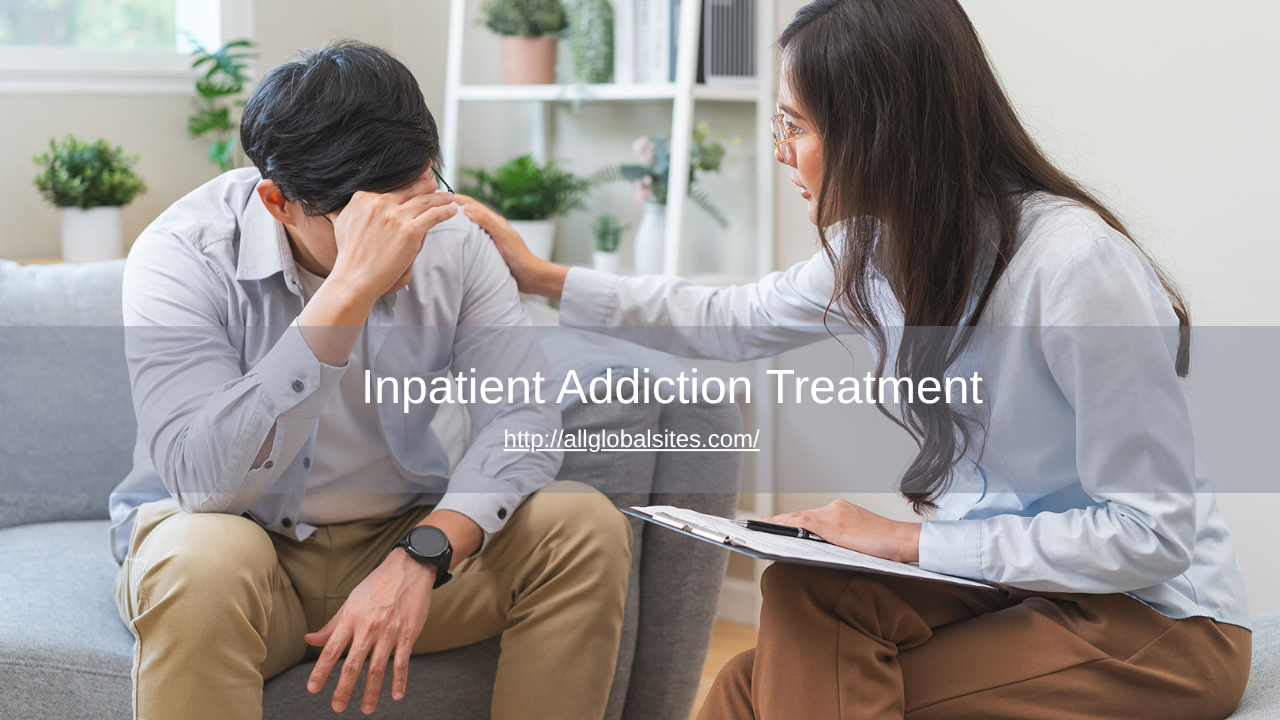
Starting the journey to recovery from addiction can feel overwhelming. The physical withdrawal, emotional challenges, and behavioral patterns created by years of substance use often make quitting alone incredibly difficult. This is why inpatient addiction treatment offers the strongest foundation for long-term sobriety. By providing 24/7 medical supervision, structured routines, evidence-based therapies, and holistic support, inpatient programs give individuals the tools and environment they need to begin healing safely and effectively.

At All Global Sites, we combine compassionate care with personalized and faith-based approaches to help clients address the physical, emotional, and spiritual aspects of addiction. Inpatient treatment is more than a detox; it is a comprehensive approach that lays the groundwork for lasting recovery.


The Benefits of a Structured Environment

Consistent Care and Supervision

One of the key advantages of inpatient treatment is round-the-clock care. Trained professionals monitor clients’ health, manage withdrawal symptoms, and provide immediate support when cravings or emotional challenges arise. This level of supervision ensures safety and allows individuals to focus entirely on recovery without distraction or risk.

Daily Routines That Support Healing

Inpatient programs offer structured schedules that balance therapy, meals, rest, and recreational activities. This predictability helps stabilize brain chemistry, reinforce healthy habits, and reduce stress, all of which are crucial during the early stages of recovery.


Evidence-Based Therapies That Work

Cognitive Behavioral Therapy and Trauma-Informed Care

Therapies such as Cognitive Behavioral Therapy (CBT) and trauma-informed counseling are central to inpatient programs. CBT helps clients identify negative thought patterns and develop coping strategies that reduce the likelihood of relapse. Trauma-informed care addresses underlying emotional wounds, providing insight into the root causes of addiction and helping clients process and heal from past experiences.

Mindfulness and Emotional Regulation

Techniques such as mindfulness meditation, breathing exercises, and guided visualization help individuals manage stress, reduce anxiety, and strengthen emotional resilience. These practices not only support brain healing but also equip clients with tools to navigate triggers and challenges after leaving inpatient care.


Holistic and Faith-Based Approaches

Inpatient addiction treatment often integrates holistic care to nurture mind, body, and spirit. Activities like yoga, art therapy, and nutritional guidance support physical and emotional health, while faith-based programs provide spiritual guidance and a sense of purpose for those seeking it. This combination strengthens recovery by addressing the whole person, not just the addiction.


Peer Support and Community Healing

Living and working alongside others who share similar struggles creates a sense of community that is both supportive and motivating. Peer support helps reduce isolation, encourages accountability, and provides a network of understanding individuals who celebrate milestones and provide encouragement during setbacks. Positive social interaction stimulates healthy brain pathways, reinforcing sobriety and long-term recovery habits.


The Strongest Start for Lasting Recovery

Inpatient addiction treatment provides a foundation that is difficult to replicate with outpatient programs alone. The combination of structured routines, 24/7 support, evidence-based therapies, holistic practices, and peer connections creates an environment where lasting recovery becomes possible.

At All Global Sites, our compassionate and individualized approach ensures that each client receives care tailored to their unique needs. If you or a loved one is ready to take the first step toward recovery, reach out today. Inpatient treatment is more than a beginning—it is the strongest start to a life free from addiction.
Wired for Wellness: How Residential Treatment Builds Better Brain Habits for Sobriety

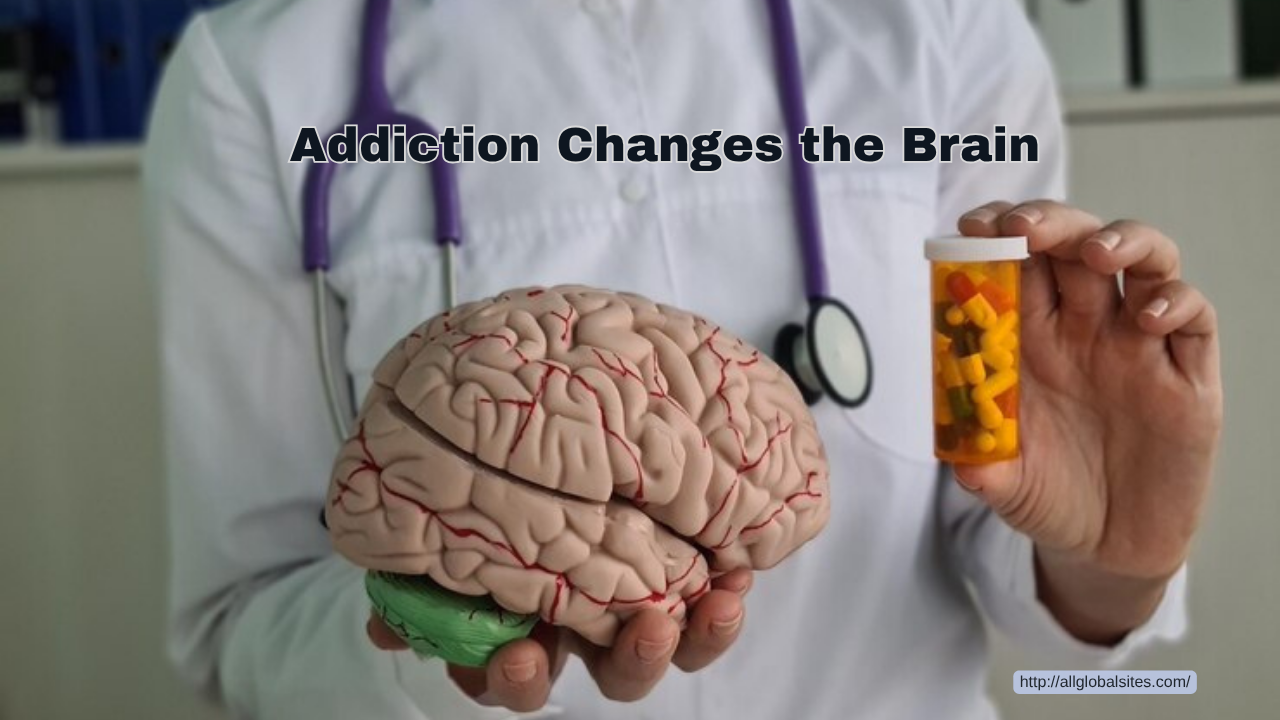
Addiction is more than a behavior problem; it is a condition that fundamentally rewires the brain. Prolonged substance use changes neural pathways, making cravings, impulsivity, and poor decision-making difficult to overcome. For lasting recovery, the brain must learn new ways to respond to stress, pleasure, and daily challenges. Residential treatment provides the structured environment, evidence-based therapies, and holistic support necessary to rewire the brain, helping individuals replace destructive habits with healthier patterns that support sobriety and long-term wellness.

At All Global Sites, our approach combines compassionate care with science-backed strategies to support mental, emotional, and spiritual healing. By addressing the root causes of addiction and nurturing brain recovery, we help clients build a foundation for lasting change.


How Addiction Shapes the Brain

The Reward System Hijacked

When substances enter the brain, they flood the reward center with dopamine, creating a sense of pleasure far stronger than natural rewards. Over time, the brain becomes dependent on this artificial stimulation, leaving natural sources of satisfaction—like relationships, work, or hobbies—diminished. This neurological rewiring reinforces cravings and perpetuates the cycle of addiction.

Impaired Decision-Making and Impulse Control

Addiction also impacts the prefrontal cortex, the brain’s decision-making hub. This makes it difficult to resist urges, plan for the future, or regulate emotions effectively. Residential treatment addresses these deficits by providing interventions that help the brain relearn healthier responses.


How Residential Treatment Rewires the Brain

Structured Routines That Reinforce Healthy Habits

Consistency is essential for brain recovery. Residential programs provide structured daily schedules that include therapy, exercise, nutrition, mindfulness practices, and community engagement. Repetition of these positive routines strengthens new neural pathways, gradually replacing destructive habits with adaptive behaviors.

Therapeutic Interventions for Cognitive Change

Evidence-based therapies such as Cognitive Behavioral Therapy (CBT) and trauma-informed care are central to rewiring the brain. CBT helps clients identify and challenge negative thought patterns, replacing them with constructive thinking that supports sobriety. Trauma-informed approaches address underlying emotional wounds, promoting healing and reducing triggers that can lead to relapse.

Mind-Body Practices for Emotional Regulation

Mindfulness exercises, meditation, yoga, and creative therapies help restore balance in the brain’s stress and reward systems. These practices improve self-awareness, emotional regulation, and resilience, enabling the brain to respond to challenges without reverting to substance use.


Holistic and Faith-Based Support

At All Global Sites, brain healing is integrated with whole-person care. Holistic therapies and faith-based support foster spiritual and emotional growth, reinforcing cognitive and behavioral change. By engaging mind, body, and spirit, individuals develop the inner resources necessary for sustained recovery and long-term wellness.

Connection and Community

Social interaction in residential programs plays a critical role in brain rewiring. Peer support and group activities create positive reinforcement, reducing feelings of isolation while promoting accountability and empathy. Healthy connections stimulate reward pathways in the brain, helping to replace addiction-driven behaviors with relational and prosocial habits.


Building Better Brain Habits for Life

Recovery is not just about stopping substance use. It is about retraining the brain to support healthier thinking, emotional resilience, and meaningful connections. Residential treatment offers the tools, structure, and support needed to form these new pathways, making long-term sobriety achievable.

At All Global Sites, we guide individuals through this transformative process, combining science-based therapies with holistic and faith-based care. If you or a loved one is ready to create a life wired for wellness, reach out today. The journey toward lasting recovery and a renewed sense of self begins with the first step.

From Cravings to Clarity: How Residential Rehab Changes the Addicted Brain

Addiction is not simply a matter of willpower. It is a complex condition that reshapes how the brain functions, particularly in areas related to pleasure, stress, and self-control. Substances like drugs and alcohol alter brain chemistry, creating powerful cravings that override rational thought and make it difficult to stop using, even when the desire to quit is strong. The good news is that the brain can heal. Through residential rehab, individuals can move from a life ruled by cravings to one guided by clarity, stability, and hope.

At All Global Sites, we believe recovery begins with understanding. Our holistic, faith-based, and personalized programs help individuals address the physical, emotional, and spiritual roots of addiction while supporting the brain’s natural ability to recover and rebuild.


Understanding How Addiction Changes the Brain

The Science Behind Cravings

When a person uses addictive substances, the brain releases an excess of dopamine, the chemical that regulates feelings of pleasure and motivation. Over time, the brain becomes dependent on this artificial stimulation. Natural rewards, such as social connection or accomplishment, no longer bring satisfaction. This imbalance leads to intense cravings that can feel impossible to resist.

Residential rehab interrupts this cycle by removing access to substances and providing a safe, supportive environment where the brain can begin to reset.

How Chronic Use Rewires the Brain

Addiction affects the brain’s communication pathways, particularly those responsible for decision-making, impulse control, and stress response. These changes make it difficult to think clearly or manage emotions. However, with proper treatment, the brain can form new neural pathways that support healthy habits, emotional balance, and long-term recovery.


How Residential Rehab Promotes Brain Healing

A Structured Environment for Stability

Residential treatment offers more than a temporary break from substance use. It provides a consistent, structured environment that helps the brain relearn balance. Routine daily schedules, nutritious meals, therapy sessions, and adequate rest all contribute to reestablishing healthy brain rhythms.

Therapeutic Interventions that Rebuild Thought Patterns

Evidence-based therapies such as Cognitive Behavioral Therapy (CBT), Dialectical Behavior Therapy (DBT), and trauma-informed care help individuals recognize harmful thought patterns and replace them with healthier perspectives. These interventions directly influence how the brain processes stress, emotion, and reward, creating lasting changes that support sobriety.

Mind-Body Integration and Holistic Healing

Addiction affects more than the mind; it impacts the body and spirit as well. Holistic practices such as yoga, meditation, art therapy, and faith-based counseling encourage mindfulness and self-awareness. These techniques strengthen neural connections associated with calmness, focus, and emotional resilience, reinforcing the brain’s ability to maintain balance without substances.


Faith, Connection, and the Human Brain

Recovery also depends on connection. In residential rehab, individuals experience the healing power of community. Peer support, group therapy, and spiritual growth create a sense of belonging that stimulates healthy brain chemistry. Relationships built on trust and empathy help replace isolation with hope and purpose, key factors in sustaining long-term recovery.


From Cravings to Clarity: The Journey Forward

Healing the addicted brain takes time, patience, and care, but it is entirely possible. With the right treatment environment and professional support, individuals can move beyond the grip of cravings and rediscover mental clarity, emotional strength, and self-control.

At All Global Sites, our residential rehab programs are designed to guide that transformation. By combining neuroscience-based therapies, holistic wellness, and compassionate care, we help individuals rebuild not just their minds, but their lives.

If you or a loved one is ready to move from cravings to clarity, we are here to help you start that journey. Reach out today to learn how recovery can bring peace, purpose, and renewed strength.

New Pathways, New Life: The Role of Brain Healing in Residential Recovery

Addiction changes the brain in profound ways, affecting how a person thinks, feels, and responds to the world. Substances such as alcohol or drugs can alter reward circuits, making it harder to experience joy or motivation without them. But the story does not end there. The brain has the remarkable ability to heal and form new pathways through a process called neuroplasticity. Residential recovery programs create the structure, safety, and support needed for this healing to take place, giving individuals the chance to build new lives rooted in stability, clarity, and hope.

At All Global Sites, we recognize that recovery is more than abstinence. It is about restoring the brain, strengthening mental health, and helping people reconnect with their true selves through compassionate, holistic, and individualized care.

Understanding Brain Healing in Recovery

How Addiction Disrupts the Brain

Addiction hijacks the brain’s reward system by releasing surges of dopamine. Over time, natural pleasures such as relationships, achievements, or simple daily joys lose their impact. The brain becomes wired to seek only the addictive substance. This rewiring not only fuels cravings but also impairs decision-making and emotional regulation.

The Power of Neuroplasticity

The hopeful truth is that the brain can change. Neuroplasticity allows it to form new pathways and rebuild healthier patterns. Through consistent therapeutic practices and a supportive environment, individuals can retrain their brains to function in ways that promote balance, self-control, and lasting wellness.

Why Residential Recovery Creates the Right Conditions

A Structured Healing Environment

Residential treatment removes the distractions and triggers of daily life. Within a safe, structured space, individuals can focus entirely on recovery. Daily routines of therapy, self-care, and community support help reset the brain and create habits that strengthen long-term sobriety.

Therapeutic Approaches that Rewire the Mind

Evidence-based therapies like Cognitive Behavioral Therapy (CBT) and trauma-informed care help challenge destructive thought patterns. At the same time, holistic methods such as mindfulness, nutrition, and movement therapies restore balance to the body and mind. Together, these approaches create new brain pathways that reduce cravings and promote resilience.

Faith-Based and Individualized Care

For many, faith-based guidance provides a sense of meaning and strength during recovery. When paired with individualized treatment plans, this ensures every person receives care that aligns with their values, experiences, and goals. This personalized support reinforces brain healing by fostering both emotional and spiritual growth.

Community and Connection in Brain Recovery

Healing does not happen in isolation. Residential recovery offers a built-in community of peers who share similar struggles and victories. Positive relationships activate healthy brain circuits, replacing isolation and shame with belonging and accountability. These connections are essential for rewiring the brain to support long-term sobriety.

Choosing New Pathways for Lasting Change

Recovery is not just about stopping harmful behaviors. It is about creating new pathways in the brain that open the door to a healthier, more fulfilling life. Residential recovery provides the tools, environment, and support necessary for this transformation to take place.

At All Global Sites, we believe in the power of brain healing and the possibility of a new life beyond addiction. If you or a loved one is ready to take the next step, our team is here to walk with you on this journey. Reach out today to begin building the pathways to lasting recovery and renewed purpose.