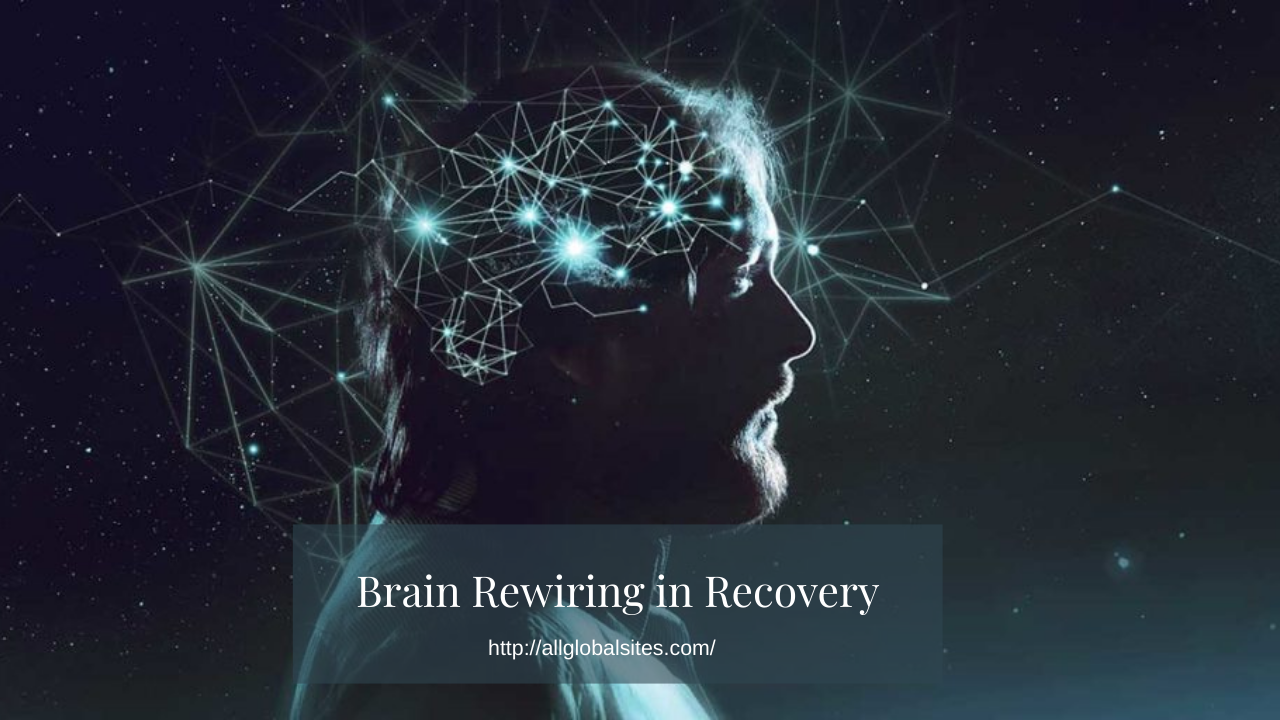
Addiction is not just a matter of choice or willpower. It is a condition that reshapes how the brain processes reward, stress, and decision-making. Substances like drugs and alcohol alter brain chemistry in ways that reinforce compulsive use, often leaving individuals feeling trapped in cycles they cannot break. The good news is that the brain has an incredible ability to adapt and heal. Through structured care and the right therapeutic environment, rehab helps rewire the brain, allowing people to relearn life without addiction and rediscover their sense of purpose.
At All Global Sites, we combine evidence-based treatment with holistic, faith-based, and individualized care to help people overcome addiction at its roots. Our programs are designed to support not just sobriety, but lasting transformation.
The Science of Brain Rewiring in Recovery
Addiction and the Brain’s Reward System
When substances flood the brain with dopamine, they create an artificial sense of pleasure and reward. Over time, natural joys such as spending time with family or achieving personal goals lose their impact. The brain becomes conditioned to seek the substance above all else.
Rehab focuses on reversing these patterns. With consistency and support, individuals can retrain their brains to find satisfaction in healthy experiences once again.
Neuroplasticity: The Brain’s Ability to Heal
One of the most hopeful aspects of recovery is neuroplasticity, the brain’s ability to form new connections. Just as addiction creates harmful pathways, healing experiences can establish healthier ones. Through therapy, mindfulness, and new coping skills, individuals gradually build stronger neural networks that support sobriety.
How Rehab Rewires the Brain
Structured Daily Routines
Residential rehab provides a structured environment that creates stability. Consistent schedules of therapy, healthy meals, exercise, and rest help the brain reset. Over time, these routines become habits that reinforce long-term wellness.
Therapeutic Interventions
Cognitive Behavioral Therapy (CBT), trauma-informed care, and group counseling challenge negative thought patterns while building healthier coping mechanisms. Each therapy session contributes to rewiring the brain by creating new ways of thinking, responding, and relating to challenges.
Stress Management and Emotional Regulation
Addiction often thrives on stress and emotional turmoil. Rehab teaches techniques like mindfulness, breathing exercises, and meditation to reduce stress responses. These practices strengthen the brain’s ability to regulate emotions and reduce the risk of relapse.
The Role of Holistic and Faith-Based Care
Healing the brain requires more than science alone. Holistic therapies such as yoga, art, and nutrition help restore balance to the body and mind. Faith-based support provides strength and spiritual grounding for those who seek it. Together, these approaches create a whole-person recovery process that strengthens the brain and nurtures the spirit.
Relearning Life Through Connection
Another powerful aspect of rehab is the role of community. Living alongside others who share the same struggles and goals creates a sense of belonging and accountability. Positive social interactions help the brain rewire by reinforcing healthy connections and reducing isolation.
A New Path Forward
Rewiring the brain after addiction is not just about breaking free from substances. It is about relearning how to live with purpose, connection, and resilience. Rehab provides the environment, therapies, and support needed to retrain the brain and build a foundation for lasting recovery.
At All Global Sites, we believe every person has the power to heal and thrive. If you or someone you love is ready to take the first step, we are here to guide you toward lasting sobriety and a renewed life. Reach out today to begin your journey of transformation.