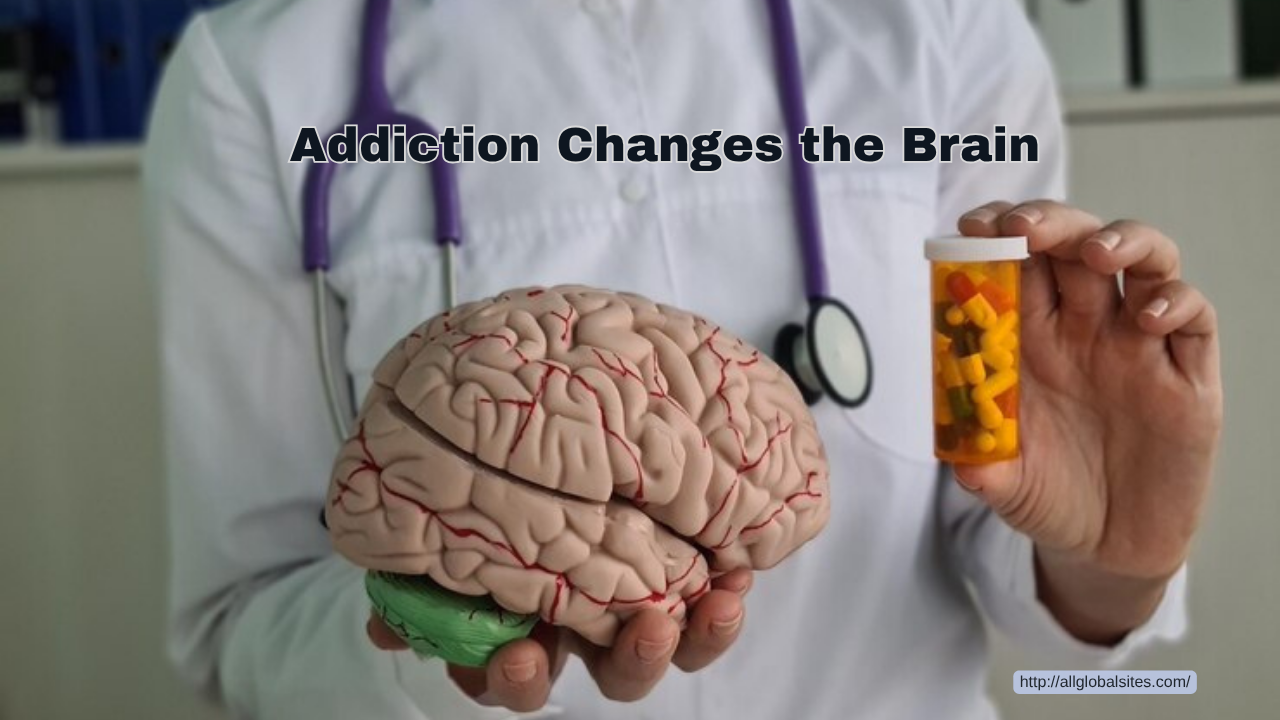
Addiction is not simply a matter of willpower. It is a complex condition that reshapes how the brain functions, particularly in areas related to pleasure, stress, and self-control. Substances like drugs and alcohol alter brain chemistry, creating powerful cravings that override rational thought and make it difficult to stop using, even when the desire to quit is strong. The good news is that the brain can heal. Through residential rehab, individuals can move from a life ruled by cravings to one guided by clarity, stability, and hope.
At All Global Sites, we believe recovery begins with understanding. Our holistic, faith-based, and personalized programs help individuals address the physical, emotional, and spiritual roots of addiction while supporting the brain’s natural ability to recover and rebuild.
Understanding How Addiction Changes the Brain
The Science Behind Cravings
When a person uses addictive substances, the brain releases an excess of dopamine, the chemical that regulates feelings of pleasure and motivation. Over time, the brain becomes dependent on this artificial stimulation. Natural rewards, such as social connection or accomplishment, no longer bring satisfaction. This imbalance leads to intense cravings that can feel impossible to resist.
Residential rehab interrupts this cycle by removing access to substances and providing a safe, supportive environment where the brain can begin to reset.
How Chronic Use Rewires the Brain
Addiction affects the brain’s communication pathways, particularly those responsible for decision-making, impulse control, and stress response. These changes make it difficult to think clearly or manage emotions. However, with proper treatment, the brain can form new neural pathways that support healthy habits, emotional balance, and long-term recovery.
How Residential Rehab Promotes Brain Healing
A Structured Environment for Stability
Residential treatment offers more than a temporary break from substance use. It provides a consistent, structured environment that helps the brain relearn balance. Routine daily schedules, nutritious meals, therapy sessions, and adequate rest all contribute to reestablishing healthy brain rhythms.
Therapeutic Interventions that Rebuild Thought Patterns
Evidence-based therapies such as Cognitive Behavioral Therapy (CBT), Dialectical Behavior Therapy (DBT), and trauma-informed care help individuals recognize harmful thought patterns and replace them with healthier perspectives. These interventions directly influence how the brain processes stress, emotion, and reward, creating lasting changes that support sobriety.
Mind-Body Integration and Holistic Healing
Addiction affects more than the mind; it impacts the body and spirit as well. Holistic practices such as yoga, meditation, art therapy, and faith-based counseling encourage mindfulness and self-awareness. These techniques strengthen neural connections associated with calmness, focus, and emotional resilience, reinforcing the brain’s ability to maintain balance without substances.
Faith, Connection, and the Human Brain
Recovery also depends on connection. In residential rehab, individuals experience the healing power of community. Peer support, group therapy, and spiritual growth create a sense of belonging that stimulates healthy brain chemistry. Relationships built on trust and empathy help replace isolation with hope and purpose, key factors in sustaining long-term recovery.
From Cravings to Clarity: The Journey Forward
Healing the addicted brain takes time, patience, and care, but it is entirely possible. With the right treatment environment and professional support, individuals can move beyond the grip of cravings and rediscover mental clarity, emotional strength, and self-control.
At All Global Sites, our residential rehab programs are designed to guide that transformation. By combining neuroscience-based therapies, holistic wellness, and compassionate care, we help individuals rebuild not just their minds, but their lives.
If you or a loved one is ready to move from cravings to clarity, we are here to help you start that journey. Reach out today to learn how recovery can bring peace, purpose, and renewed strength.