24/7 Support: The Key to Residential Rehab’s Effectiveness in Addiction Recovery

Addiction is a complex disease that affects every aspect of a person’s life—physically, mentally, and emotionally. Breaking free from addiction is not just about quitting substances; it requires ongoing support, structured treatment, and emotional healing. One of the biggest advantages of residential rehabilitation is its 24/7 support system, which plays a crucial role in ensuring lasting recovery. Unlike outpatient treatment, where individuals must face challenges largely on their own, residential rehab provides continuous care, guidance, and encouragement, helping individuals build a strong foundation for sobriety.

The Importance of 24/7 Medical Supervision

Detoxification, the first stage of recovery, can be physically dangerous. Depending on the substance and severity of addiction, withdrawal symptoms can range from mild discomfort to life-threatening complications such as seizures, severe dehydration, or heart problems. In a residential rehab setting, medical professionals are available around the clock to monitor patients, manage symptoms, and provide immediate care if needed.

Beyond the detox phase, addiction recovery often comes with unpredictable challenges such as anxiety, depression, or intense cravings. Having 24/7 access to medical professionals ensures that individuals receive timely interventions, reducing the risk of relapse and increasing their chances of long-term recovery.

Constant Emotional and Psychological Support

Addiction is rarely just a physical dependence on a substance—it is deeply tied to emotional pain, past trauma, and mental health struggles. Many individuals use drugs or alcohol as a way to cope with stress, depression, or unresolved issues. One of the main reasons people relapse is because they do not have the emotional support they need when difficult feelings arise.

Residential rehab provides an environment where emotional and psychological support is available at all times. Therapists, counselors, and support staff are present day and night to help individuals work through their emotions, develop healthier coping mechanisms, and build resilience. Whether someone is experiencing a moment of self-doubt or struggling with painful memories, they have immediate access to professionals who can guide them through the challenge.

A Strong Sense of Community and Peer Support

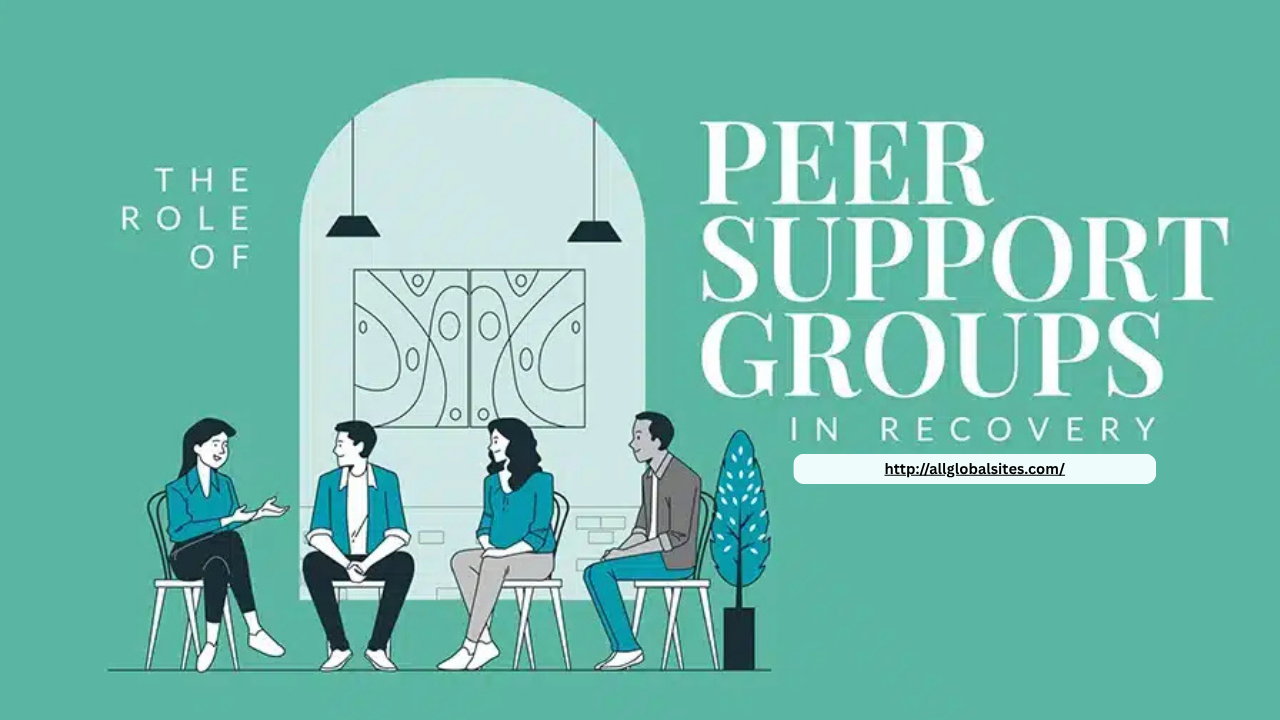
In residential rehab, individuals are surrounded by peers who understand their struggles. This sense of community is a powerful tool in recovery. Living among others who are on a similar journey provides a built-in support system where individuals can share their experiences, encourage each other, and hold each other accountable.

Group therapy, peer discussions, and shared activities help create strong bonds, reducing feelings of isolation and loneliness—two major triggers for relapse. This 24/7 peer support helps individuals stay motivated and reinforces the belief that they are not alone in their recovery.

Building Healthy Routines and Habits

One of the keys to successful recovery is establishing a new, healthier lifestyle. In residential rehab, individuals follow a structured daily schedule that includes therapy, wellness activities, personal development, and leisure time. This structured approach helps individuals:

  • Replace destructive habits with positive routines.
  • Develop discipline and accountability.
  • Learn effective coping strategies that will help them stay sober long after rehab.

Having 24/7 support ensures that individuals stay on track, receive guidance when they struggle, and build the skills needed to maintain a substance-free life.

A Safety Net for Preventing Relapse

Relapse is a major concern in addiction recovery, and one of the biggest risks comes during moments of vulnerability—whether it’s an intense craving, a stressful event, or a moment of self-doubt. In outpatient treatment, individuals must face these challenges on their own, making it easier to fall back into old habits.

In residential rehab, 24/7 support acts as a safety net. If someone is feeling overwhelmed, they have immediate access to professionals who can provide strategies, encouragement, and emotional support. This constant care helps prevent relapse and strengthens long-term recovery.

Conclusion

The journey to recovery is filled with challenges, but 24/7 support in residential rehab makes a significant difference in overcoming them. From medical supervision to emotional guidance and peer support, round-the-clock care ensures that individuals receive the help they need whenever they need it. This continuous support is what makes residential rehab one of the most effective approaches to addiction recovery, providing individuals with the tools, stability, and encouragement they need to build a new, healthier life.

A Safe Haven for Healing: Why Residential Rehab Outperforms Outpatient Treatment

Recovering from addiction is a challenging journey that requires more than just willpower. The environment in which recovery takes place plays a crucial role in determining success. While outpatient treatment can be beneficial for some individuals, residential rehabilitation offers a safer, more structured, and more immersive approach that significantly increases the chances of long-term sobriety.

A Distraction-Free Environment

One of the biggest advantages of residential rehab is the separation from external triggers. Many individuals struggling with addiction live in environments that enable or even encourage substance abuse. Stressful relationships, toxic friendships, and easy access to drugs or alcohol can make it nearly impossible to break free from addiction while staying at home.

Residential rehab removes these distractions and creates a safe, controlled space where individuals can focus entirely on their recovery. Without outside temptations, they can fully engage in therapy, self-reflection, and healing.

24/7 Medical and Emotional Support

Addiction is a complex disease that affects both the body and mind. The early stages of recovery, particularly detox, can be physically dangerous and emotionally overwhelming. Residential rehab provides round-the-clock medical supervision to ensure individuals withdraw safely from substances.

Beyond medical care, residential rehab facilities also offer constant emotional support. Counselors, therapists, and peer groups are available at all times to help individuals navigate their feelings, address underlying trauma, and develop healthier coping mechanisms. This level of support is not available in outpatient programs, where individuals only receive treatment for a few hours a week and must manage cravings and triggers on their own.

A Structured and Comprehensive Approach

One of the biggest challenges in addiction recovery is establishing new routines and habits. Residential rehab provides a structured schedule filled with therapy sessions, wellness activities, and personal development programs. This structure helps individuals:

  • Replace unhealthy routines with positive habits.
  • Stay engaged in their recovery without distractions.
  • Develop discipline and accountability, essential for long-term sobriety.

In contrast, outpatient treatment often lacks this consistency. Individuals attend therapy sessions but return to their daily lives, where old habits and temptations can quickly derail progress.

Deeper Emotional Healing

Addiction is often a symptom of deeper emotional wounds, such as trauma, depression, or anxiety. Residential rehab provides intensive therapy, including:

  • Individual Counseling: Helps uncover the root causes of addiction.
  • Group Therapy: Encourages peer support and shared healing.
  • Family Therapy: Helps mend relationships and create a supportive home environment.

Because residential rehab offers more in-depth therapy than outpatient programs, individuals can work through their issues in a more meaningful way, reducing the likelihood of relapse.

Stronger Peer Support and Community

One of the most powerful aspects of residential rehab is the sense of community it fosters. Individuals live alongside others who understand their struggles, providing mutual encouragement and accountability. This peer support helps individuals feel less isolated and more motivated to stay sober.

In contrast, outpatient programs often lack this built-in support system, making it easier for individuals to feel alone in their recovery.

A Higher Success Rate

Studies consistently show that residential rehab has higher success rates compared to outpatient treatment. The immersive environment, constant support, and structured approach all contribute to better long-term outcomes. While outpatient programs may work for individuals with mild addictions or strong support systems at home, residential rehab remains the best option for those who need a safe and effective path to recovery.

Conclusion

Residential rehab provides a safe haven for healing, offering individuals the structure, support, and deep emotional work needed to break free from addiction. By removing external distractions, providing 24/7 care, and fostering a strong sense of community, residential rehab outperforms outpatient treatment in promoting lasting recovery. For those serious about overcoming addiction, choosing a residential program can be the difference between relapse and a new, healthier life.

Breaking the Cycle: How Residential Rehabilitation Provides Lasting Recovery

Addiction is a relentless cycle that traps individuals in a pattern of substance abuse, withdrawal, and relapse. Breaking free from this cycle is not just about quitting drugs or alcohol—it requires a deep, transformative healing process. Residential rehabilitation provides a structured and supportive environment that fosters long-term recovery, offering individuals the tools they need to reclaim their lives.

A Safe and Structured Environment

One of the most significant benefits of residential rehabilitation is the safe and structured setting it provides. Addiction thrives in chaotic and unstable environments, often fueled by toxic relationships, stressful situations, and easy access to substances. Residential rehab removes individuals from these triggers, allowing them to focus entirely on their recovery without external distractions or temptations.

In a residential facility, individuals follow a carefully designed routine that includes therapy sessions, wellness activities, and personal reflection time. This structure helps replace the unpredictability of addiction with stability, reinforcing healthy habits that support long-term sobriety.

Comprehensive, Individualized Treatment

Addiction is a complex disease with psychological, emotional, and physical components. Residential rehab offers comprehensive, personalized treatment plans that address the unique needs of each individual. These treatment plans typically include:

  • Detoxification: A medically supervised process to safely remove substances from the body.
  • Therapy and Counseling: Individual, group, and family therapy sessions help uncover the root causes of addiction and develop coping strategies.
  • Holistic Approaches: Many programs incorporate mindfulness, yoga, nutrition, and exercise to promote overall well-being.

By addressing addiction from multiple angles, residential rehab ensures that individuals receive well-rounded care tailored to their specific struggles.

24/7 Support from Professionals and Peers

Recovery is not a solitary journey. Residential rehab provides constant access to medical professionals, therapists, and support staff who are trained to handle the challenges of addiction recovery. This 24/7 support is especially crucial in the early stages of sobriety when cravings and withdrawal symptoms are at their peak.

Additionally, individuals in rehab benefit from a strong peer support system. Living alongside others who share similar experiences fosters a sense of community, encouragement, and accountability. Group therapy sessions and peer interactions help individuals realize they are not alone, reducing feelings of isolation and shame.

Developing Coping Skills and Relapse Prevention Strategies

One of the main reasons residential rehab is so effective is its emphasis on relapse prevention. Many individuals struggle to maintain sobriety after treatment because they lack the tools to cope with stress, triggers, and cravings. In rehab, individuals learn:

  • Healthy coping mechanisms to replace substance use.
  • Cognitive-behavioral strategies to recognize and manage triggers.
  • Relapse prevention plans to stay on track after leaving rehab.

These skills are crucial for maintaining long-term recovery and preventing a return to old habits.

A Foundation for a New Life

Residential rehabilitation is not just about quitting drugs or alcohol—it’s about creating a new, fulfilling life. By providing structure, support, and comprehensive treatment, rehab programs help individuals break the cycle of addiction and build a foundation for lasting recovery.

For those trapped in the cycle of substance abuse, residential rehab offers a way out—a chance to heal, grow, and embrace a future free from addiction.

How Residential Rehabilitation Empowers Lasting Change

Residential rehabilitation is widely regarded as a highly effective approach to addiction treatment, providing individuals with the structured environment and comprehensive support necessary to achieve lasting recovery.

Structured Environment

One of the key advantages of residential rehabilitation is the structured environment it offers. This setting is crucial for individuals who struggle with addiction, as it removes them from the triggers and temptations of their everyday lives. In a residential rehab facility, every aspect of daily life is designed to support recovery, from the routine of meals and activities to the supervision of trained professionals. This structure helps to eliminate distractions and allows individuals to focus solely on their healing process.

Comprehensive Support

Residential rehabilitation provides comprehensive support that addresses not only the physical aspects of addiction but also the psychological and emotional components. This holistic approach is essential for lasting change, as addiction is often rooted in deep-seated issues that require more than just detoxification. In residential rehab, patients have access to a variety of therapies, including individual counseling, group therapy, and family therapy. These therapeutic modalities help individuals explore the underlying causes of their addiction, develop coping strategies, and build healthier relationships.

Access to Medical Care

Many individuals entering residential rehabilitation require medical care to manage withdrawal symptoms and address any co-occurring health conditions. In a residential setting, medical professionals are available around the clock to provide the necessary care and support. This immediate access to medical assistance ensures that patients can safely navigate the withdrawal process and begin their recovery journey on a solid foundation. Additionally, the presence of medical staff can help in managing any potential complications that may arise during treatment.

Peer Support and Community

One of the most powerful aspects of residential rehabilitation is the sense of community it fosters. Living alongside others who are facing similar challenges creates a supportive environment where individuals can share their experiences, offer encouragement, and build meaningful connections. This peer support is invaluable, as it helps individuals feel less isolated and more understood. The bonds formed in residential rehab can be a crucial source of motivation and accountability, both during treatment and in the long-term recovery process.

Life Skills and Relapse Prevention

Residential rehabilitation also focuses on equipping individuals with the life skills and relapse prevention strategies they need to maintain their sobriety once they leave the facility. This includes teaching practical skills such as stress management, effective communication, and healthy lifestyle choices. By addressing these areas, residential rehab helps individuals build a toolkit of resources that they can draw upon in their everyday lives to navigate challenges without turning to substance use.

Transitioning to Aftercare

The journey of recovery does not end when an individual leaves a residential rehabilitation facility. A successful transition to aftercare is crucial for maintaining the progress made during treatment. Residential rehab programs often include comprehensive aftercare planning, which may involve ongoing therapy, support groups, and other resources to help individuals stay on track. This continuity of care ensures that individuals have the ongoing support they need to navigate the challenges of early recovery and beyond.

Residential rehabilitation empowers lasting change by providing a structured, supportive environment that addresses the multifaceted nature of addiction. Through comprehensive care, peer support, life skills training, and robust aftercare planning, residential rehab helps individuals build a strong foundation for a life free from addiction. For many, this immersive and holistic approach is the key to achieving lasting recovery and reclaiming their lives.

Unveiling the Key Factors Driving the Effectiveness of Residential Rehabilitation

In the battle against addiction, residential rehabilitation programs stand out as a beacon of hope for many individuals seeking recovery. These programs offer an intensive, immersive approach to treatment that has proven highly effective for many. But what exactly are the key factors driving this effectiveness?

  1. Structured Environment: Residential rehabilitation provides a structured and controlled environment where individuals can focus solely on their recovery journey. Away from triggers and temptations of daily life, residents can dedicate their time and energy to healing.
  2. 24/7 Support and Supervision: One of the primary advantages of residential rehab is the round-the-clock support and supervision available. Trained staff members are present at all times to offer guidance, encouragement, and assistance whenever needed.
  3. Individualized Treatment Plans: Effective residential rehab programs tailor treatment plans to meet the unique needs of each resident. This personalized approach ensures that individuals receive the specific therapies and interventions that will best support their recovery journey.
  4. Comprehensive Therapeutic Modalities: Residential rehab programs typically offer a wide range of therapeutic modalities, including individual counseling, group therapy, cognitive-behavioral therapy (CBT), family therapy, and more. This multifaceted approach addresses various aspects of addiction and promotes holistic healing.
  5. Peer Support and Community: Being surrounded by peers who are on similar paths can be incredibly empowering. Residential rehab fosters a sense of community and camaraderie among residents, providing opportunities for mutual support, encouragement, and accountability.
  6. Emphasis on Aftercare Planning: Effective residential rehab programs recognize that recovery is a lifelong journey and prioritize aftercare planning. By preparing individuals for life after rehab and connecting them with ongoing support resources, these programs set residents up for long-term success.
  7. Holistic Wellness Approach: Residential rehab often takes a holistic approach to recovery, addressing not only the physical aspects of addiction but also the emotional, psychological, and spiritual dimensions. Wellness activities such as mindfulness practices, yoga, art therapy, and nutritional counseling promote overall well-being and resilience.
  8. Safe and Nurturing Environment: Creating a safe and nurturing environment is essential for effective residential rehab. Facilities that prioritize safety, cleanliness, and comfort provide residents with the stability and security they need to focus on their recovery journey.
  9. Continual Evaluation and Adjustment: Successful residential rehab programs continually evaluate and adjust their approaches based on the evolving needs of residents and emerging best practices in addiction treatment. This commitment to ongoing improvement ensures that individuals receive the most effective care possible.
  10. Empowerment and Empathy: Lastly, effective residential rehab programs empower individuals to take ownership of their recovery while providing empathy, compassion, and non-judgmental support every step of the way. By fostering a sense of empowerment and self-efficacy, these programs help individuals build the skills and resilience needed to overcome addiction and thrive in life.

In conclusion, the effectiveness of residential rehabilitation lies in its ability to provide a structured, supportive, and holistic environment where individuals can heal, grow, and transform their lives. By addressing the physical, emotional, psychological, and social aspects of addiction, these programs offer a comprehensive approach to recovery that empowers individuals to reclaim their health, happiness, and hope for the future.

Understanding the Success of Residential Rehab Programs

In the battle against addiction, individuals often find themselves at a crossroads, seeking a path that leads to lasting recovery. One significant avenue that has demonstrated remarkable success is residential rehabilitation. Also known as inpatient treatment, these programs provide individuals with a structured and immersive environment designed to address the physical, psychological, and emotional aspects of addiction. Let’s delve into the key factors that contribute to the effectiveness of residential rehab programs.

**1. 24/7 Support and Supervision: One of the distinctive features of residential rehab is the constant support and supervision provided. In a residential setting, individuals have access to a team of trained professionals around the clock. This level of support is crucial during the initial stages of recovery when individuals may experience intense cravings or face emotional challenges. The continuous presence of medical and therapeutic staff ensures prompt intervention and guidance, fostering a secure environment for healing.

**2. Structured and Immersive Environment: Residential rehab programs create an environment where individuals can focus solely on their recovery without the distractions and triggers of the outside world. The structured nature of these programs involves a daily schedule that includes therapy sessions, group activities, and individual counseling. This structure helps individuals build routines, develop coping mechanisms, and establish healthier habits, all essential components of sustained recovery.

**3. Comprehensive Therapeutic Approaches: Residential rehab programs often employ a variety of therapeutic modalities to address the multifaceted nature of addiction. These may include individual counseling, group therapy, family therapy, and holistic approaches such as art or equine therapy. Tailoring the treatment to each individual’s needs ensures a more comprehensive and personalized recovery experience.

**4. Peer Support and Community: Being part of a community of individuals facing similar struggles can be a powerful motivator in residential rehab. Peer support provides a sense of camaraderie and understanding, fostering connections that often extend beyond the duration of the program. Sharing experiences and insights with others who are on a similar journey helps individuals realize that they are not alone in their challenges.

**5. Focus on Dual Diagnosis: Many individuals grappling with addiction also face co-occurring mental health disorders. Residential rehab programs often specialize in addressing dual diagnoses, offering integrated treatment for both addiction and mental health issues. By addressing the root causes of addiction, these programs aim to provide more sustainable and long-term recovery outcomes.

In conclusion, the success of residential rehab programs lies in their ability to provide a supportive, structured, and immersive environment that addresses the complexities of addiction. By offering 24/7 support, a variety of therapeutic approaches, and a focus on individualized care, residential rehab programs empower individuals to break free from the chains of addiction and embark on a journey toward lasting recovery.

The Advantages of Residential Rehabilitation

When individuals require serious help in order to battle substance use or mental health issues, residential rehabilitation can be a great option. Residential rehabilitation is an intense, inpatient approach to recovery treatment which provides a supported environment free from external stressors and distractions. Although residential rehabilitation is an effective method of addressing and managing addiction, such as substance or alcohol dependence, it also provides many other benefits.

Residential rehabilitation provides a structured and secure environment, and therefore, it can provide the necessary time and attention to care for complex issues, such as eating disorders or addiction. In this sense, residential rehabilitation is particularly valuable for individuals needing treatment for dual diagnosis. By providing an emotionally secure atmosphere, residential rehabilitation can also provide a safe space to individuals entering addiction or recovery treatment.

Moreover, the structured routines implemented in residential rehabilitation are essential in the recovery process. These routines provide structure and guidance which can be helpful when an individual is trying to make a change and focus on recovery. Residential rehabilitation also encourages patients to develop healthier habits that can be maintained when they leave the treatment facility. Basic life skills, including structure wake-up times, healthy meal scheduling, and even house chores that promote self-reliance and confidence, are all part of such activities.

Another major benefit of residential rehabilitation is the comprehensive care and support given by a team of health professionals such as medical doctors, counselors, nurses, and psychiatrists. This team is able to offer comprehensive treatment such as medical supervision, individual counseling, group therapy, and a wide range of educational and self-development activities. This allows for a personalized approach for each patient, designed to address their individual needs and preferences.

Residential rehabilitation also offers a social environment where openly discussing their relapse triggers, or identifying warning signs of cravings and urges can be done safely and with trained professionals who can provide support and guidance if needed. Furthermore, support from peers is another benefit of residential rehab, as participating with peers who are on the same journey to sobriety and have a similar set of goals can foster sound motivation and peer accountability.

All in all, residential rehabilitation is an intensive and comprehensive form of treatment which provides an array of advantages to individuals in need of recovery and rehabilitation. It offers the supervision and monitoring of a large team of healthcare professionals, a safe and secure living environment, and the opportunity to participate in new activities to promote healthier forms of self-expression and form supportive relationships. Residential rehabilitation is an effective adjunct to traditional therapies and can help people to thrive and rebuild their lives.

Making Valuable Positive Changes in Life

Addiction can be a highly destructive and often debilitating condition. It can be caused by a variety of factors, including genetics, environmental influences, and psychological and neurological mechanisms. While there is no one-size-fits-all approach to treating addiction, there are many effective interventions that can help individuals struggling with the condition. In this article, we will discuss a few interventions that can be used to treat addiction and lead to valuable positive changes in life.

The first step in treating addiction is recognizing that there is a problem and taking action to seek help. It is important to realize that addiction is a chronic, relapsing condition and that treatment is essential to achieving lasting recovery. Working with a certified addiction professional or counselor can be immensely helpful in creating an individualized, comprehensive treatment plan. This plan should include therapy, medication, lifestyle changes, and social support as appropriate.

Therapy is an important part of treating addiction. It can reduce symptoms, teach important skills, and provide emotional support. Cognitive Behavioral Therapy (CBT) is a popular option for treating individuals with addiction. CBT helps individuals to identify and reframe unhelpful and distorted thinking patterns, build problem-solving skills, and adopt more appropriate coping mechanisms. Other therapies, such as Dialectical Behavioral Therapy (DBT), can also be used to help individuals manage distress and learn healthier ways of dealing with difficult emotions.

In addition to therapy, medications can be an important part of addiction treatment. Medication-assisted treatment (MAT) can help individuals manage cravings, reduce the risk of relapse, and maintain sobriety. Common medications used to treat addiction include Suboxone, Vivitrol, and Naltrexone. While medications alone cannot cure an addiction, they can help individuals to make lasting changes.

Lifestyle changes are also important in treating addiction. Eating a healthy diet, exercise, adequate sleep, meaningful relationships, and establishing routines are all essential components of recovery. It’s important to create healthy, constructive habits and replace negative behavior patterns with positive ones. If needed, mental health professionals can help with building skills in these areas.

Finally, having a strong social support system is essential to the success of addiction treatment. Friends and family members can provide the motivation, understanding, and accountability needed to stay on track. Furthermore, joining a peer support group can help individuals better understand their addiction and offer important empathy and understanding from those who have faced similar experiences.

Treating addiction is a process, but with the help of professionals, peers, and loved ones, individuals can make positive changes in their lives. With the right approach, recovery can become a reality. With time and commitment, individuals can learn to manage their addiction and work towards lasting health.

Treating Drug and Alcohol Addiction

Substance use—such as drug and alcohol addiction—is a major public health issue that affects countless individuals and families around the world. Just like any other illness or disease, effective treatment is available for substance use disorders (SUDs). What makes a successful treatment program vary between individuals, though evidence-based treatments are the cornerstone.

The first step toward a successful SUD treatment program is engaging the individual in the process. Many individuals may struggle to recognize that they have an addiction, so involvement in the treatment process is key. Motivating an addicted individual to take part in a drug or alcohol addiction treatment program is one of the most challenging parts of the journey to recovery.

In addition to mindful and active participation in treatment, having a solid support system in place is essential for successful treatment. Family and close friends’ involvement in treatment African american has been shown to increase the odds for successful recovery. These support systems can offer ongoing support to the addicted person, as well as help them cope with the stressors and triggers that typically come along with the recovery process.

The type of treatment that is most effective for a person with an addiction depends on numerous factors, such as the severity and duration of the substance problem, the individual’s mental and physical health, and the availability of support systems. Generally, though, treatment for SUDs involves a combination of approaches, such as medication, psychotherapy, and support groups.

Behavioral therapies are at the core of effective addiction rehabilitation. Psychosocial therapies such as cognitive-behavioral therapy (CBT) are particularly effective for substance users and those struggling with SUDs. CBT helps the individual to recognize the patterns of behavior and life situations that can lead to the use of drugs or alcohol and to develop more helpful coping skills. It also provides strategies for managing cravings and avoiding relapse.

In cases where the addiction is severe, medication in combination with psychosocial treatments is often recommended. Medications like naltrexone, buprenorphine, and disulfiram can have positive effects on a person’s behavior, even when the medication is not taken continuously. There is accumulating evidence that medications like these can also help individuals reduce their use of drugs or alcohol.

In some cases, residential treatment may provide more structure and support and may be the most effective form of treatment. Residential treatment provides a safe, monitored environment with intensive therapy, support groups, and the introduction of healthy life skills. These specialized programs are typically designed to last for a month or longer.

Similar to any chronic illness, there is no one “magic bullet” that can cure a person of substance use. It typically takes a combination of therapies and other treatments to return to a healthy lifestyle and be able to maintain abstinence from drugs and alcohol. However, with a comprehensive treatment program, individuals can achieve sustained abstinence from drugs and alcohol and have a greater chance of maintaining success in recovery.

Residential Rehabilitation is Effective for Substance Abuse

Substance abuse is a significant public health problem. It is estimated that 23.5 million individuals in the United States are in need of treatment for alcohol or drug abuse. Among people aged 18 or older, approximately 19.7 million people were current users of illicit drugs and 16.3 million people were current drinkers of alcohol. Substance abuse has a vast range of health repercussions like depression, suicide, and heart disease. To optimize the chances of complete recovery from substance abuse, residential rehabilitation treatment is considered to be one of the most effective forms of treatment.

Residential rehabilitation is comprehensive round-the-clock care in a safe, supportive environment. In this method of treatment, the patient is removed from friends and family and placed in a residential facility. There, they have access to a wide range of individuals and services that can help them address the physical and mental issues of substance abuse. Medical professionals are available to monitor progress and provide medical treatment when needed. Additionally, experienced counselors work with the individual to help them understand the causes of addiction and provide necessary support and guidance.

The effectiveness of residential rehabilitation for treating substance abuse is twofold. Firstly, it helps reduce the risk of relapse by providing a safe and structured environment in which recovering individuals can work towards recovery. This environment allows the individual to slowly benefit from the opportunity to gain new perspectives, insights, and skills to prevent the return of substance abuse.

Secondly, residential rehabilitation makes it possible for the individual to spend extended periods of time receiving treatment under the close supervision of experienced addiction professionals. This allows for a more holistic and comprehensive approach to treatment which can be tailored to the individual’s needs. This type of therapy provides an excellent opportunity for the recovering individual to learn how to manage their addiction better and build essential recovery skills.

The educational piece of residential rehabilitation is also a compelling point. Patients in this program can further their educational needs which can help them to better manage the stressors of everyday life. Additionally, there are also one-to-one and group therapy sessions that work on addressing the underlying causes of substance abuse by addressing the psychological issues & motivations behind an addiction.

Overall, the effectiveness of residential rehabilitation for substance abuse is clear. This type of treatment can provide a safe, supportive, and comprehensive approach to recovery that can allow individuals to address the root causes of their addiction and develop essential tools to prevent relapse. Residential rehabilitation also gives individuals the opportunity to further educational goals and the opportunity to take a break from the stresses of everyday life. Residential rehabilitation programs are a vital resource for anyone looking to recover from addiction and regain control over their lives.