Addiction is not just a bad habit—it’s a chronic brain disease that changes how a person thinks, feels, and behaves. Prolonged substance use physically alters the brain’s reward system, weakening self-control and creating powerful cravings. To break free from this cycle, individuals need more than just willpower—they need a process that heals the brain from the inside out. Residential rehabilitation offers the immersive, consistent environment necessary to help rewire the addicted brain and lay the foundation for long-term sobriety.
Understanding the Addicted Brain
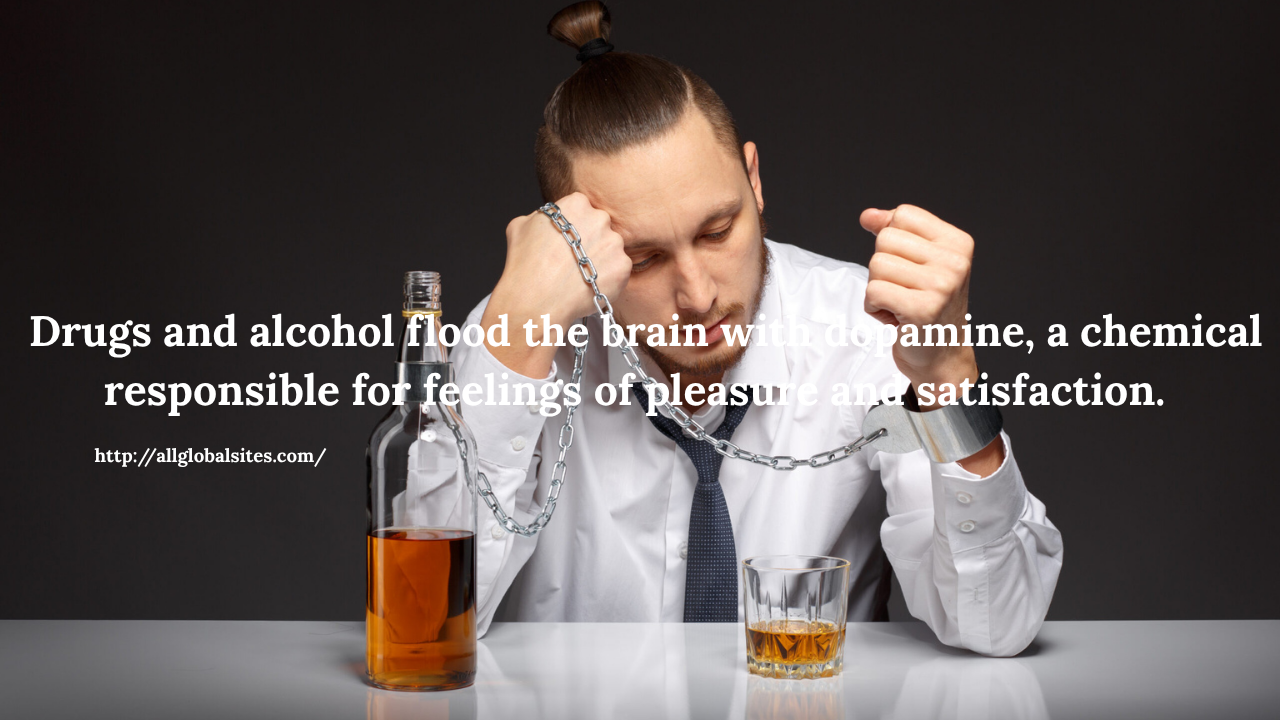
Substance abuse hijacks the brain’s natural reward system. Drugs and alcohol flood the brain with dopamine, a chemical responsible for feelings of pleasure and satisfaction. Over time, the brain becomes dependent on these substances to feel good—or even just to feel normal. Natural sources of pleasure, like relationships, hobbies, or accomplishments, lose their appeal as addiction takes hold.
Additionally, addiction weakens the brain’s prefrontal cortex, the area responsible for decision-making, impulse control, and long-term planning. This is why individuals often continue using despite knowing the severe consequences. Their brain is wired to seek the next high at any cost.
How Residential Rehab Supports Brain Rewiring
Recovery from addiction is about more than stopping substance use—it’s about teaching the brain new ways to think, respond, and cope. Residential rehab provides the intensive support needed for this process, also known as neuroplasticity, where the brain forms new connections and healthier patterns over time.
Consistent Routine and Healthy Habits
Residential rehab programs are structured and consistent. Individuals follow daily routines that include therapy, group support, exercise, healthy meals, and time for rest. This repetition helps the brain adapt to new, healthier habits, slowly replacing the chaos and unpredictability of addiction with stability and balance.
Therapeutic Interventions
Therapies such as Cognitive Behavioral Therapy (CBT), Dialectical Behavior Therapy (DBT), and trauma-focused counseling are central to brain rewiring. These therapies help individuals identify negative thought patterns, challenge destructive behaviors, and develop healthier coping mechanisms. Over time, these new ways of thinking reshape the brain’s pathways, improving emotional regulation and self-control.
Mindfulness and Stress Reduction
Practices like meditation, yoga, and mindfulness exercises are often integrated into residential treatment. These activities help calm the overactive stress centers of the brain, reduce cravings, and improve mental clarity. Research shows that mindfulness can even change brain structure, strengthening the areas involved in focus and emotional balance.
Physical Healing Supports Brain Health
Addiction often damages the body, which in turn affects the brain. In residential rehab, nutrition, exercise, and medical care help restore physical health, providing the body and mind with the fuel needed for healing and cognitive recovery.
Conclusion
Residential rehab offers more than just a break from substances—it offers a chance to heal from the inside out. Through structure, therapy, and holistic care, individuals can rewire their addicted brains, creating new thought patterns, emotional responses, and behaviors that support lasting sobriety. Recovery isn’t just about stopping addiction—it’s about transforming the mind for a healthier, more fulfilling life.