Author Archives: Guest

Inside Inpatient Rehab: How Structured Care Transforms Lives

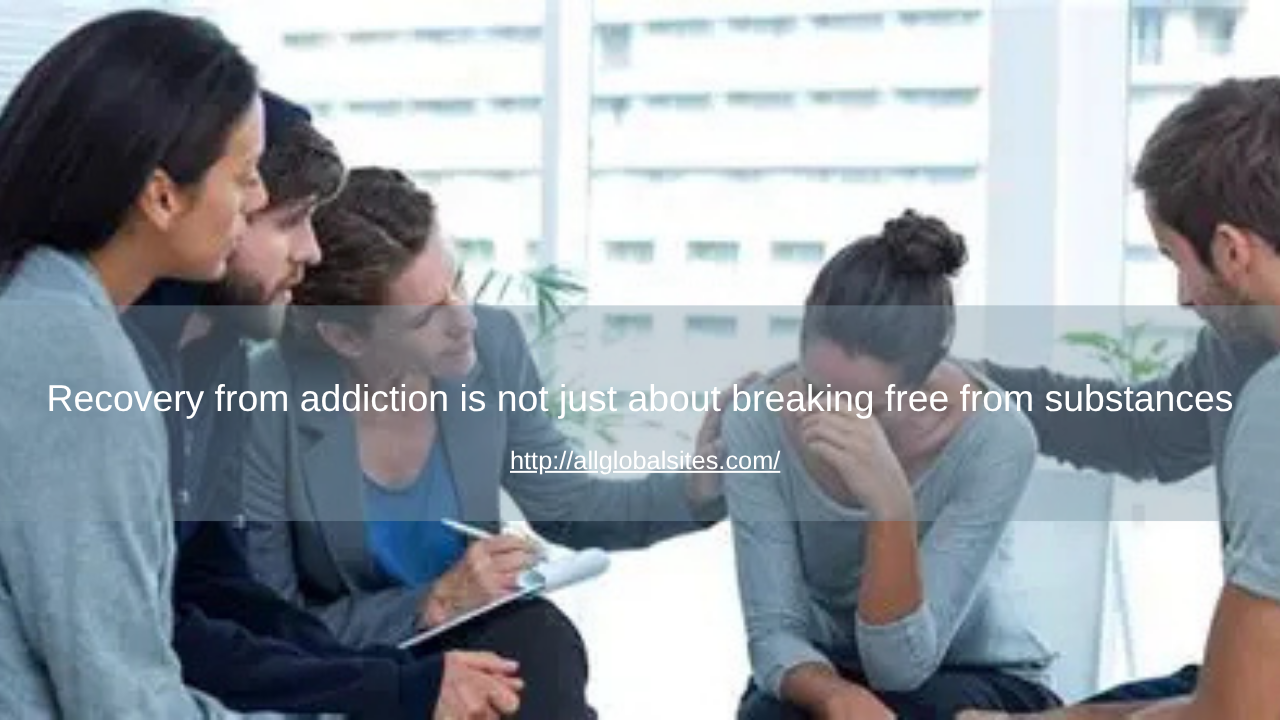
Recovery from addiction is not just about breaking free from substances—it’s about rebuilding a life, rediscovering purpose, and learning to thrive again. For many individuals, inpatient rehabilitation provides the structure, safety, and support needed to make that transformation possible. Inside an inpatient rehab program, healing goes beyond detox. It’s a place where the mind, body, and spirit are nurtured back to health through personalized care, professional guidance, and daily structure that creates lasting change.

At All Global Sites, we believe that recovery flourishes in environments built on compassion, clinical excellence, and faith-based principles. Our inpatient treatment programs are designed to guide clients through every stage of recovery with dignity and individualized support.


The Power of a Structured Environment

Creating Stability in the Early Stages of Recovery

Addiction often thrives in chaos and uncertainty. Inpatient rehab replaces that instability with daily structure and consistency. From morning wellness routines to therapeutic sessions and group support, clients follow a carefully crafted schedule that promotes balance and accountability. This structure helps calm the mind, regulate emotions, and restore healthy sleep and eating patterns—all critical steps in early recovery.

Safe Spaces for Healing

Inpatient care offers a safe, substance-free environment away from triggers, stressors, and negative influences. Clients can focus entirely on healing without the pressure of external distractions. This separation from everyday life allows the brain and body to begin repairing themselves, while trained professionals ensure that each person’s physical and emotional needs are met.


Therapeutic Approaches That Rewire Thinking

Individual and Group Therapy

Inside inpatient rehab, clients participate in a blend of one-on-one counseling and group therapy. Individual sessions provide space for deep self-reflection, addressing trauma, co-occurring mental health conditions, and the underlying causes of addiction. Group therapy, on the other hand, fosters connection and mutual understanding. Sharing experiences with others who are on the same path helps break down isolation and builds confidence in social healing.

Evidence-Based and Holistic Methods

At All Global Sites, we combine evidence-based approaches such as Cognitive Behavioral Therapy (CBT) and Dialectical Behavior Therapy (DBT) with holistic practices like meditation, fitness, art therapy, and faith-based reflection. This integrated approach treats the whole person, not just the symptoms of addiction. By healing the mind, body, and spirit together, individuals gain the clarity and strength needed to sustain long-term sobriety.


Community and Accountability

Support That Strengthens Recovery

The sense of community within an inpatient program can be life-changing. Living and healing alongside others who share similar struggles builds empathy, trust, and accountability. Many individuals discover lifelong friendships that continue to support them long after treatment ends. This social connection encourages consistency and reinforces the belief that recovery is possible for everyone.

Professional Guidance Every Step of the Way

Each client’s journey is guided by a dedicated team of doctors, therapists, and support staff. This team-based approach ensures that every aspect of a person’s recovery—physical health, emotional stability, and spiritual growth—is addressed. Having professionals available 24/7 provides reassurance and safety throughout the recovery process.


Structure Builds Strength, and Strength Builds Recovery

Inside inpatient rehab, structure is more than a schedule—it is the framework that helps individuals rebuild their lives from the ground up. Through daily routines, compassionate care, and evidence-based therapy, clients gain the stability and confidence they need to live free from addiction.

At All Global Sites, our inpatient programs are designed to help clients rediscover balance, purpose, and hope. If you or someone you love is ready to take the first step toward lasting recovery, reach out today. The structure and support you need to transform your life are waiting.

Why Inpatient Addiction Treatment Provides the Strongest Start to Recovery

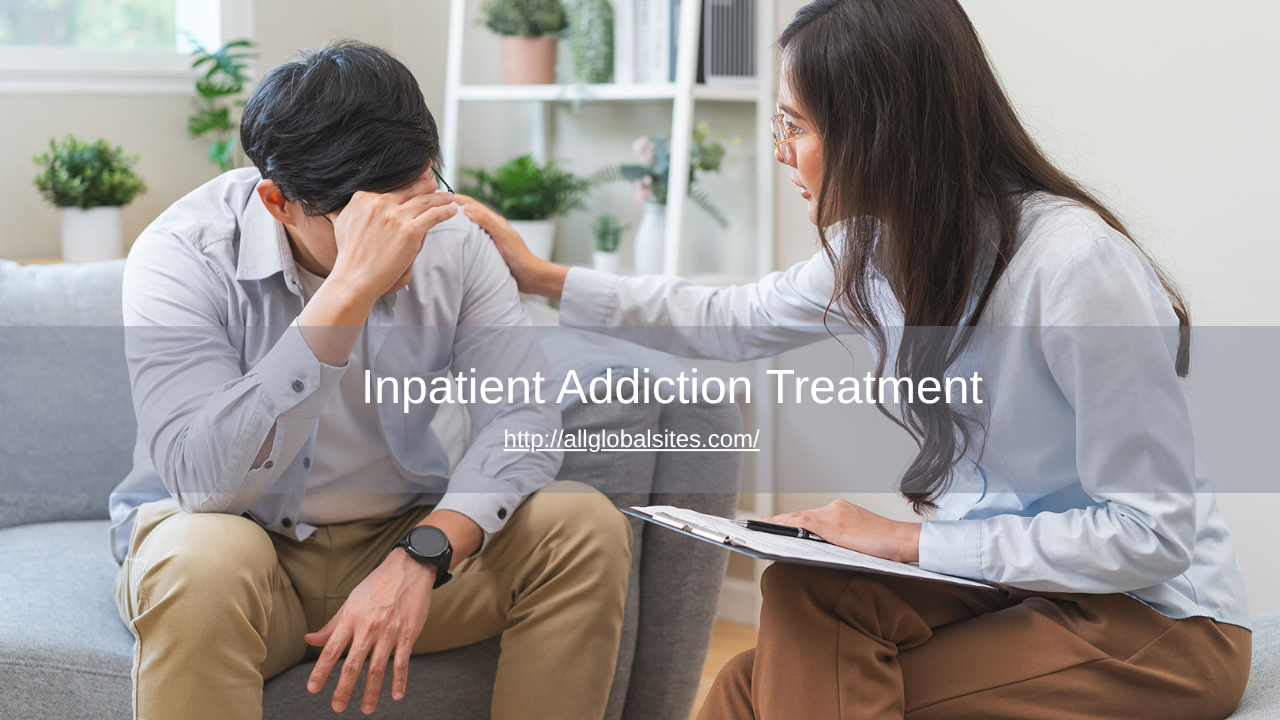
Starting the journey to recovery from addiction can feel overwhelming. The physical withdrawal, emotional challenges, and behavioral patterns created by years of substance use often make quitting alone incredibly difficult. This is why inpatient addiction treatment offers the strongest foundation for long-term sobriety. By providing 24/7 medical supervision, structured routines, evidence-based therapies, and holistic support, inpatient programs give individuals the tools and environment they need to begin healing safely and effectively.

At All Global Sites, we combine compassionate care with personalized and faith-based approaches to help clients address the physical, emotional, and spiritual aspects of addiction. Inpatient treatment is more than a detox; it is a comprehensive approach that lays the groundwork for lasting recovery.


The Benefits of a Structured Environment

Consistent Care and Supervision

One of the key advantages of inpatient treatment is round-the-clock care. Trained professionals monitor clients’ health, manage withdrawal symptoms, and provide immediate support when cravings or emotional challenges arise. This level of supervision ensures safety and allows individuals to focus entirely on recovery without distraction or risk.

Daily Routines That Support Healing

Inpatient programs offer structured schedules that balance therapy, meals, rest, and recreational activities. This predictability helps stabilize brain chemistry, reinforce healthy habits, and reduce stress, all of which are crucial during the early stages of recovery.


Evidence-Based Therapies That Work

Cognitive Behavioral Therapy and Trauma-Informed Care

Therapies such as Cognitive Behavioral Therapy (CBT) and trauma-informed counseling are central to inpatient programs. CBT helps clients identify negative thought patterns and develop coping strategies that reduce the likelihood of relapse. Trauma-informed care addresses underlying emotional wounds, providing insight into the root causes of addiction and helping clients process and heal from past experiences.

Mindfulness and Emotional Regulation

Techniques such as mindfulness meditation, breathing exercises, and guided visualization help individuals manage stress, reduce anxiety, and strengthen emotional resilience. These practices not only support brain healing but also equip clients with tools to navigate triggers and challenges after leaving inpatient care.


Holistic and Faith-Based Approaches

Inpatient addiction treatment often integrates holistic care to nurture mind, body, and spirit. Activities like yoga, art therapy, and nutritional guidance support physical and emotional health, while faith-based programs provide spiritual guidance and a sense of purpose for those seeking it. This combination strengthens recovery by addressing the whole person, not just the addiction.


Peer Support and Community Healing

Living and working alongside others who share similar struggles creates a sense of community that is both supportive and motivating. Peer support helps reduce isolation, encourages accountability, and provides a network of understanding individuals who celebrate milestones and provide encouragement during setbacks. Positive social interaction stimulates healthy brain pathways, reinforcing sobriety and long-term recovery habits.


The Strongest Start for Lasting Recovery

Inpatient addiction treatment provides a foundation that is difficult to replicate with outpatient programs alone. The combination of structured routines, 24/7 support, evidence-based therapies, holistic practices, and peer connections creates an environment where lasting recovery becomes possible.

At All Global Sites, our compassionate and individualized approach ensures that each client receives care tailored to their unique needs. If you or a loved one is ready to take the first step toward recovery, reach out today. Inpatient treatment is more than a beginning—it is the strongest start to a life free from addiction.

Wired for Wellness: How Residential Treatment Builds Better Brain Habits for Sobriety

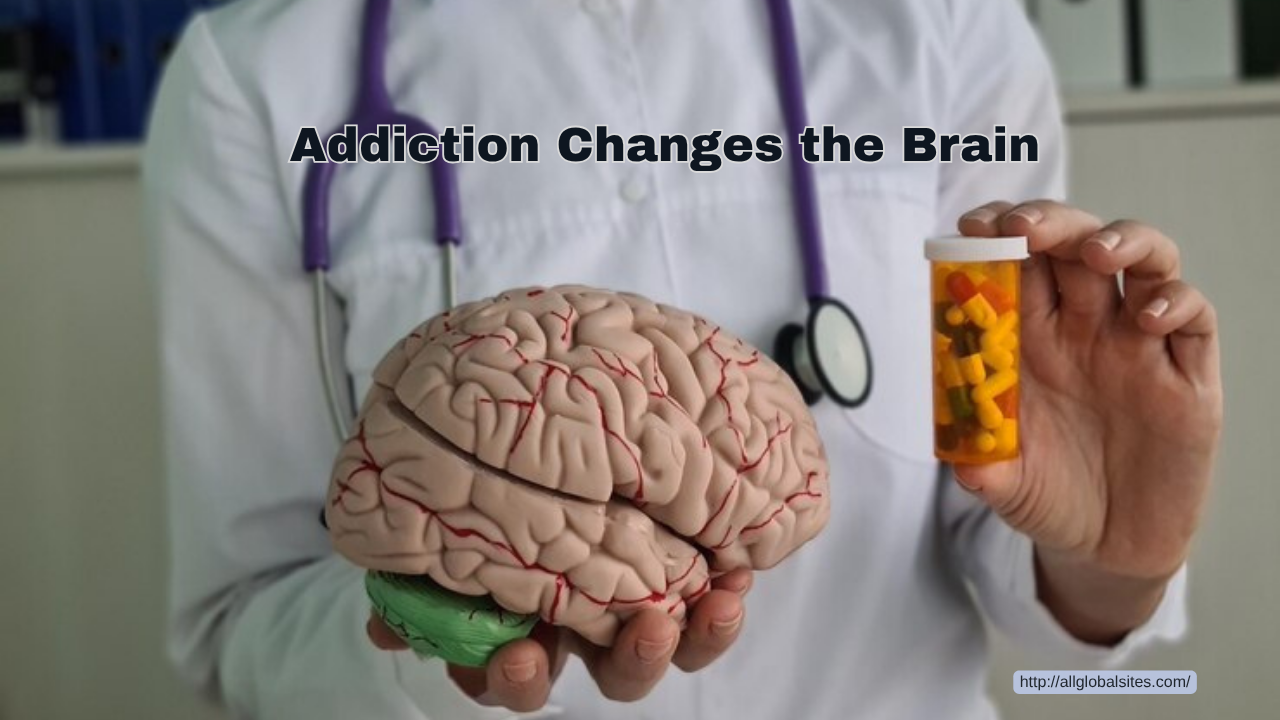
Addiction is more than a behavior problem; it is a condition that fundamentally rewires the brain. Prolonged substance use changes neural pathways, making cravings, impulsivity, and poor decision-making difficult to overcome. For lasting recovery, the brain must learn new ways to respond to stress, pleasure, and daily challenges. Residential treatment provides the structured environment, evidence-based therapies, and holistic support necessary to rewire the brain, helping individuals replace destructive habits with healthier patterns that support sobriety and long-term wellness.

At All Global Sites, our approach combines compassionate care with science-backed strategies to support mental, emotional, and spiritual healing. By addressing the root causes of addiction and nurturing brain recovery, we help clients build a foundation for lasting change.


How Addiction Shapes the Brain

The Reward System Hijacked

When substances enter the brain, they flood the reward center with dopamine, creating a sense of pleasure far stronger than natural rewards. Over time, the brain becomes dependent on this artificial stimulation, leaving natural sources of satisfaction—like relationships, work, or hobbies—diminished. This neurological rewiring reinforces cravings and perpetuates the cycle of addiction.

Impaired Decision-Making and Impulse Control

Addiction also impacts the prefrontal cortex, the brain’s decision-making hub. This makes it difficult to resist urges, plan for the future, or regulate emotions effectively. Residential treatment addresses these deficits by providing interventions that help the brain relearn healthier responses.


How Residential Treatment Rewires the Brain

Structured Routines That Reinforce Healthy Habits

Consistency is essential for brain recovery. Residential programs provide structured daily schedules that include therapy, exercise, nutrition, mindfulness practices, and community engagement. Repetition of these positive routines strengthens new neural pathways, gradually replacing destructive habits with adaptive behaviors.

Therapeutic Interventions for Cognitive Change

Evidence-based therapies such as Cognitive Behavioral Therapy (CBT) and trauma-informed care are central to rewiring the brain. CBT helps clients identify and challenge negative thought patterns, replacing them with constructive thinking that supports sobriety. Trauma-informed approaches address underlying emotional wounds, promoting healing and reducing triggers that can lead to relapse.

Mind-Body Practices for Emotional Regulation

Mindfulness exercises, meditation, yoga, and creative therapies help restore balance in the brain’s stress and reward systems. These practices improve self-awareness, emotional regulation, and resilience, enabling the brain to respond to challenges without reverting to substance use.


Holistic and Faith-Based Support

At All Global Sites, brain healing is integrated with whole-person care. Holistic therapies and faith-based support foster spiritual and emotional growth, reinforcing cognitive and behavioral change. By engaging mind, body, and spirit, individuals develop the inner resources necessary for sustained recovery and long-term wellness.

Connection and Community

Social interaction in residential programs plays a critical role in brain rewiring. Peer support and group activities create positive reinforcement, reducing feelings of isolation while promoting accountability and empathy. Healthy connections stimulate reward pathways in the brain, helping to replace addiction-driven behaviors with relational and prosocial habits.


Building Better Brain Habits for Life

Recovery is not just about stopping substance use. It is about retraining the brain to support healthier thinking, emotional resilience, and meaningful connections. Residential treatment offers the tools, structure, and support needed to form these new pathways, making long-term sobriety achievable.

At All Global Sites, we guide individuals through this transformative process, combining science-based therapies with holistic and faith-based care. If you or a loved one is ready to create a life wired for wellness, reach out today. The journey toward lasting recovery and a renewed sense of self begins with the first step.

From Cravings to Clarity: How Residential Rehab Changes the Addicted Brain

Addiction is not simply a matter of willpower. It is a complex condition that reshapes how the brain functions, particularly in areas related to pleasure, stress, and self-control. Substances like drugs and alcohol alter brain chemistry, creating powerful cravings that override rational thought and make it difficult to stop using, even when the desire to quit is strong. The good news is that the brain can heal. Through residential rehab, individuals can move from a life ruled by cravings to one guided by clarity, stability, and hope.

At All Global Sites, we believe recovery begins with understanding. Our holistic, faith-based, and personalized programs help individuals address the physical, emotional, and spiritual roots of addiction while supporting the brain’s natural ability to recover and rebuild.


Understanding How Addiction Changes the Brain

The Science Behind Cravings

When a person uses addictive substances, the brain releases an excess of dopamine, the chemical that regulates feelings of pleasure and motivation. Over time, the brain becomes dependent on this artificial stimulation. Natural rewards, such as social connection or accomplishment, no longer bring satisfaction. This imbalance leads to intense cravings that can feel impossible to resist.

Residential rehab interrupts this cycle by removing access to substances and providing a safe, supportive environment where the brain can begin to reset.

How Chronic Use Rewires the Brain

Addiction affects the brain’s communication pathways, particularly those responsible for decision-making, impulse control, and stress response. These changes make it difficult to think clearly or manage emotions. However, with proper treatment, the brain can form new neural pathways that support healthy habits, emotional balance, and long-term recovery.


How Residential Rehab Promotes Brain Healing

A Structured Environment for Stability

Residential treatment offers more than a temporary break from substance use. It provides a consistent, structured environment that helps the brain relearn balance. Routine daily schedules, nutritious meals, therapy sessions, and adequate rest all contribute to reestablishing healthy brain rhythms.

Therapeutic Interventions that Rebuild Thought Patterns

Evidence-based therapies such as Cognitive Behavioral Therapy (CBT), Dialectical Behavior Therapy (DBT), and trauma-informed care help individuals recognize harmful thought patterns and replace them with healthier perspectives. These interventions directly influence how the brain processes stress, emotion, and reward, creating lasting changes that support sobriety.

Mind-Body Integration and Holistic Healing

Addiction affects more than the mind; it impacts the body and spirit as well. Holistic practices such as yoga, meditation, art therapy, and faith-based counseling encourage mindfulness and self-awareness. These techniques strengthen neural connections associated with calmness, focus, and emotional resilience, reinforcing the brain’s ability to maintain balance without substances.


Faith, Connection, and the Human Brain

Recovery also depends on connection. In residential rehab, individuals experience the healing power of community. Peer support, group therapy, and spiritual growth create a sense of belonging that stimulates healthy brain chemistry. Relationships built on trust and empathy help replace isolation with hope and purpose, key factors in sustaining long-term recovery.


From Cravings to Clarity: The Journey Forward

Healing the addicted brain takes time, patience, and care, but it is entirely possible. With the right treatment environment and professional support, individuals can move beyond the grip of cravings and rediscover mental clarity, emotional strength, and self-control.

At All Global Sites, our residential rehab programs are designed to guide that transformation. By combining neuroscience-based therapies, holistic wellness, and compassionate care, we help individuals rebuild not just their minds, but their lives.

If you or a loved one is ready to move from cravings to clarity, we are here to help you start that journey. Reach out today to learn how recovery can bring peace, purpose, and renewed strength.

New Pathways, New Life: The Role of Brain Healing in Residential Recovery

Addiction changes the brain in profound ways, affecting how a person thinks, feels, and responds to the world. Substances such as alcohol or drugs can alter reward circuits, making it harder to experience joy or motivation without them. But the story does not end there. The brain has the remarkable ability to heal and form new pathways through a process called neuroplasticity. Residential recovery programs create the structure, safety, and support needed for this healing to take place, giving individuals the chance to build new lives rooted in stability, clarity, and hope.

At All Global Sites, we recognize that recovery is more than abstinence. It is about restoring the brain, strengthening mental health, and helping people reconnect with their true selves through compassionate, holistic, and individualized care.

Understanding Brain Healing in Recovery

How Addiction Disrupts the Brain

Addiction hijacks the brain’s reward system by releasing surges of dopamine. Over time, natural pleasures such as relationships, achievements, or simple daily joys lose their impact. The brain becomes wired to seek only the addictive substance. This rewiring not only fuels cravings but also impairs decision-making and emotional regulation.

The Power of Neuroplasticity

The hopeful truth is that the brain can change. Neuroplasticity allows it to form new pathways and rebuild healthier patterns. Through consistent therapeutic practices and a supportive environment, individuals can retrain their brains to function in ways that promote balance, self-control, and lasting wellness.

Why Residential Recovery Creates the Right Conditions

A Structured Healing Environment

Residential treatment removes the distractions and triggers of daily life. Within a safe, structured space, individuals can focus entirely on recovery. Daily routines of therapy, self-care, and community support help reset the brain and create habits that strengthen long-term sobriety.

Therapeutic Approaches that Rewire the Mind

Evidence-based therapies like Cognitive Behavioral Therapy (CBT) and trauma-informed care help challenge destructive thought patterns. At the same time, holistic methods such as mindfulness, nutrition, and movement therapies restore balance to the body and mind. Together, these approaches create new brain pathways that reduce cravings and promote resilience.

Faith-Based and Individualized Care

For many, faith-based guidance provides a sense of meaning and strength during recovery. When paired with individualized treatment plans, this ensures every person receives care that aligns with their values, experiences, and goals. This personalized support reinforces brain healing by fostering both emotional and spiritual growth.

Community and Connection in Brain Recovery

Healing does not happen in isolation. Residential recovery offers a built-in community of peers who share similar struggles and victories. Positive relationships activate healthy brain circuits, replacing isolation and shame with belonging and accountability. These connections are essential for rewiring the brain to support long-term sobriety.

Choosing New Pathways for Lasting Change

Recovery is not just about stopping harmful behaviors. It is about creating new pathways in the brain that open the door to a healthier, more fulfilling life. Residential recovery provides the tools, environment, and support necessary for this transformation to take place.

At All Global Sites, we believe in the power of brain healing and the possibility of a new life beyond addiction. If you or a loved one is ready to take the next step, our team is here to walk with you on this journey. Reach out today to begin building the pathways to lasting recovery and renewed purpose.

Relearning Life: How Rehab Rewires the Brain to Overcome Addiction

Addiction is not just a matter of choice or willpower. It is a condition that reshapes how the brain processes reward, stress, and decision-making. Substances like drugs and alcohol alter brain chemistry in ways that reinforce compulsive use, often leaving individuals feeling trapped in cycles they cannot break. The good news is that the brain has an incredible ability to adapt and heal. Through structured care and the right therapeutic environment, rehab helps rewire the brain, allowing people to relearn life without addiction and rediscover their sense of purpose.

At All Global Sites, we combine evidence-based treatment with holistic, faith-based, and individualized care to help people overcome addiction at its roots. Our programs are designed to support not just sobriety, but lasting transformation.

The Science of Brain Rewiring in Recovery

Addiction and the Brain’s Reward System

When substances flood the brain with dopamine, they create an artificial sense of pleasure and reward. Over time, natural joys such as spending time with family or achieving personal goals lose their impact. The brain becomes conditioned to seek the substance above all else.

Rehab focuses on reversing these patterns. With consistency and support, individuals can retrain their brains to find satisfaction in healthy experiences once again.

Neuroplasticity: The Brain’s Ability to Heal

One of the most hopeful aspects of recovery is neuroplasticity, the brain’s ability to form new connections. Just as addiction creates harmful pathways, healing experiences can establish healthier ones. Through therapy, mindfulness, and new coping skills, individuals gradually build stronger neural networks that support sobriety.

How Rehab Rewires the Brain

Structured Daily Routines

Residential rehab provides a structured environment that creates stability. Consistent schedules of therapy, healthy meals, exercise, and rest help the brain reset. Over time, these routines become habits that reinforce long-term wellness.

Therapeutic Interventions

Cognitive Behavioral Therapy (CBT), trauma-informed care, and group counseling challenge negative thought patterns while building healthier coping mechanisms. Each therapy session contributes to rewiring the brain by creating new ways of thinking, responding, and relating to challenges.

Stress Management and Emotional Regulation

Addiction often thrives on stress and emotional turmoil. Rehab teaches techniques like mindfulness, breathing exercises, and meditation to reduce stress responses. These practices strengthen the brain’s ability to regulate emotions and reduce the risk of relapse.

The Role of Holistic and Faith-Based Care

Healing the brain requires more than science alone. Holistic therapies such as yoga, art, and nutrition help restore balance to the body and mind. Faith-based support provides strength and spiritual grounding for those who seek it. Together, these approaches create a whole-person recovery process that strengthens the brain and nurtures the spirit.

Relearning Life Through Connection

Another powerful aspect of rehab is the role of community. Living alongside others who share the same struggles and goals creates a sense of belonging and accountability. Positive social interactions help the brain rewire by reinforcing healthy connections and reducing isolation.

A New Path Forward

Rewiring the brain after addiction is not just about breaking free from substances. It is about relearning how to live with purpose, connection, and resilience. Rehab provides the environment, therapies, and support needed to retrain the brain and build a foundation for lasting recovery.

At All Global Sites, we believe every person has the power to heal and thrive. If you or someone you love is ready to take the first step, we are here to guide you toward lasting sobriety and a renewed life. Reach out today to begin your journey of transformation.

The Science of Sobriety: How Residential Treatment Reprograms the Brain

Addiction is not simply a lack of discipline. It is a condition rooted in the brain’s wiring, where substance use alters pathways that control reward, decision-making, and emotional regulation. This is why recovery requires more than just stopping the use of drugs or alcohol. To achieve lasting sobriety, the brain must be retrained and rebalanced. Residential treatment provides the structured environment and evidence-based therapies needed to help reprogram the brain, allowing individuals to break free from destructive cycles and create a healthier, more purposeful life.

At All Global Sites, our holistic, faith-based, and individualized programs focus on both the science and the spirit of healing. We guide clients through the process of brain recovery while addressing the emotional and spiritual needs that support long-term transformation.

Understanding Addiction as a Brain Condition

The Role of the Reward System

When substances flood the brain with dopamine, they hijack its natural reward system. Activities that once brought joy, such as family connections or personal accomplishments, lose their impact. The brain becomes wired to prioritize substances above all else, creating powerful cravings and compulsive behaviors.

Why Willpower Alone Is Not Enough

Because addiction rewires the brain, willpower by itself is often insufficient. Recovery requires therapeutic strategies and consistent support that address the underlying neurological changes. This is why residential treatment is so effective: it offers time, structure, and tools to retrain the brain toward healthier pathways.

How Residential Treatment Reprograms the Brain

Structure That Supports Healing

A predictable daily schedule helps calm the chaos that addiction creates. Regular routines of therapy, group support, healthy meals, exercise, and rest allow the brain to adjust to stability. Over time, these structured experiences form new habits that support sobriety.

Evidence-Based Therapies

Cognitive Behavioral Therapy (CBT), Dialectical Behavior Therapy (DBT), and trauma-informed care are central to brain retraining. These therapies challenge harmful thoughts, improve emotional regulation, and build new coping mechanisms. By practicing these skills consistently in a safe environment, individuals strengthen new brain pathways that reinforce sobriety.

Mindfulness and Stress Management

Mindfulness practices, such as meditation and breathing exercises, help reduce the brain’s stress response and improve self-awareness. These techniques not only calm cravings but also support long-term neuroplasticity, the brain’s ability to adapt and form new connections.

The Role of Holistic and Faith-Based Approaches

Healing the brain involves more than science alone. At All Global Sites, we incorporate holistic practices such as yoga, art therapy, and nutrition to nurture mind and body. For those who seek spiritual growth, faith-based support provides encouragement, purpose, and a renewed sense of hope. Together, these approaches promote whole-person healing that makes recovery sustainable.

Connection and Community in Brain Recovery

Residential rehab also offers the power of peer support. Living in a community of others on the same journey provides encouragement and accountability. These positive social interactions activate the brain’s reward systems in healthy ways, reducing isolation and reinforcing recovery-focused behaviors.

A Path to True Transformation

The science of sobriety shows us that recovery is about more than detoxing from substances. It is about reprogramming the brain and creating new patterns that support a life of stability, meaning, and fulfillment. Residential treatment provides the structure, therapies, and support needed to make this transformation possible. At All Global Sites, we are committed to helping individuals heal from the inside out, combining science, compassion, and holistic care.

If you or someone you love is ready to take the first step toward lasting recovery, reach out today. The journey to reprogramming the brain and reclaiming life begins with a single call.

Beyond Detox: How Residential Rehab Resets the Brain for Recovery Success

Detox is often seen as the first and most critical step in overcoming addiction. While it plays an essential role in cleansing the body of harmful substances, detox alone is not enough to secure lasting sobriety. The deeper challenge lies in healing the brain, which has been rewired by addiction to prioritize substances over health, relationships, and purpose. This is where residential rehabilitation makes all the difference. By offering a safe, structured, and supportive environment, residential rehab not only helps individuals get through withdrawal but also resets the brain to build a foundation for long-term recovery.

Why Detox Alone Is Not Enough

The Limits of Detox

Detox clears the body of drugs or alcohol, reducing the immediate physical dependence. However, it does not address the underlying brain changes that fuel cravings and relapse. Many individuals who rely on detox alone find themselves caught in a cycle of repeated substance use because the brain has not had time to heal and reestablish healthy patterns.

Addiction as a Brain Disease

Addiction alters the brain’s reward system, decision-making centers, and stress response. The dopamine-driven pathways that once motivated positive behavior become hijacked, making recovery without continued treatment incredibly difficult. To truly recover, the brain needs time, structure, and therapeutic interventions that guide it toward healthier functioning.

How Residential Rehab Resets the Brain

A Structured Environment for Healing

Residential treatment provides stability during the vulnerable post-detox period. Daily routines, therapeutic sessions, and consistent support reduce chaos and help the brain form new habits. This structure gives individuals the opportunity to practice sobriety in a safe setting where accountability and encouragement are constant.

Therapies That Rewire Thought Patterns

Evidence-based approaches like Cognitive Behavioral Therapy (CBT), Dialectical Behavior Therapy (DBT), and trauma-informed counseling directly target negative thought cycles. These therapies help individuals identify destructive patterns, challenge distorted thinking, and develop healthier coping skills. Over time, the brain begins to rewire itself, making positive behaviors and sober living more natural.

Holistic and Faith-Based Healing

At All Global Sites, healing goes beyond traditional therapy. Holistic practices such as meditation, yoga, art therapy, and mindfulness reduce stress and activate parts of the brain associated with calm and focus. For clients seeking spiritual growth, faith-based programs provide strength and hope, further supporting the brain’s healing process. This integrative approach recognizes that true recovery involves mind, body, and spirit.

The Role of Connection in Brain Recovery

Addiction thrives in isolation, but recovery flourishes in connection. Peer support and community living in residential rehab allow individuals to share experiences, learn from one another, and build meaningful relationships. These connections activate the brain’s social and reward circuits in positive ways, reducing the grip of substance-driven behaviors.

Preparing for Life Beyond Rehab

Rehabilitation is not just about the time spent in treatment. Residential programs also prepare individuals for long-term success by teaching relapse prevention strategies, stress management techniques, and life skills. Outpatient care and aftercare programs continue reinforcing these brain changes, ensuring that recovery remains strong once individuals transition back into daily life.

Resetting the Brain for Lasting Change

Detox may begin the journey, but true recovery requires resetting the brain and building new patterns for lasting sobriety. Residential rehabilitation provides the structure, therapies, and support needed to make this transformation possible. At All Global Sites, we believe every person has the power to heal and live a fulfilling life beyond addiction. If you or a loved one is ready to move past detox and into a new chapter of recovery, we are here to help. Reach out today and take the next step toward lasting healing and hope.

Changing Your Mindset: Why Brain Rewiring is the Key to Lasting Sobriety

Recovery is not just about putting down substances. True and lasting sobriety comes from transforming the way the brain thinks, reacts, and makes choices. Addiction changes brain chemistry, creating patterns that reinforce cravings, impulsive decisions, and destructive behaviors. The encouraging truth is that the brain can change again through a process called rewiring. With the right support, individuals can build new pathways that make sobriety not only possible but sustainable. At All Global Sites, we help clients embrace this process through personalized, holistic, and evidence-based care.

Understanding Brain Rewiring in Recovery

The Science of Change

When a person struggles with addiction, the brain’s reward system becomes hijacked. Substances flood the brain with dopamine, creating powerful reinforcement that conditions individuals to seek the substance again and again. Over time, this makes natural rewards such as relationships, work, or hobbies feel less fulfilling.

Rewiring the brain means interrupting these old loops and creating new patterns that prioritize health, connection, and purpose. Through neuroplasticity, the brain’s ability to form new connections, people can retrain their minds to respond differently to stress, cravings, and triggers.

Mindset Matters

Sobriety requires more than abstinence. It requires a mindset shift. A person who believes recovery is possible is far more likely to engage fully in the process. This change in thinking empowers individuals to make healthier decisions, develop resilience, and see themselves as capable of living a meaningful life without substances.

How Residential Rehab Supports Brain Rewiring

Safe and Structured Healing

Inpatient treatment provides the stable foundation needed to rewire the brain. Away from the chaos of addiction triggers, individuals can focus entirely on recovery. Consistent routines, therapeutic interventions, and 24/7 support help establish the new habits and thought patterns that lead to long-term healing.

Therapeutic Tools That Retrain the Brain

At All Global Sites, we use proven therapies such as Cognitive Behavioral Therapy (CBT), trauma-informed care, and mindfulness practices. CBT challenges negative thought patterns and replaces them with balanced, constructive ones. Mindfulness teaches awareness and self-regulation, allowing the brain to respond thoughtfully instead of reacting impulsively. Over time, these tools help individuals break the cycle of addiction and create healthier mental pathways.

Holistic and Faith-Based Approaches

Brain rewiring is not limited to science alone. Healing also involves the spirit and emotions. Holistic therapies such as yoga, art, and meditation engage different areas of the brain and support emotional balance. For those seeking spiritual guidance, faith-based recovery provides encouragement, strength, and renewed purpose. This whole-person approach accelerates the brain’s ability to heal and sustain change.

Reinforcing Recovery Beyond Rehab

Rewiring the brain does not stop when treatment ends. Continued support through outpatient care, peer groups, and counseling strengthens the progress made during rehab. The more these new patterns are practiced, the stronger they become. With time, healthy coping mechanisms become second nature, making relapse less likely and long-term recovery more achievable.

A New Way of Thinking, A New Way of Living

Lasting sobriety is not only about avoiding substances. It is about creating a new mindset that supports a healthier, more fulfilling life. By rewiring the brain, individuals learn to replace old destructive habits with positive, life-giving ones. At All Global Sites, we walk alongside our clients as they rebuild both their minds and their futures. If you or someone you love is ready to take the first step toward lasting recovery, reach out today. Change begins with a single decision, and the path to healing is within your reach.

Neuroplasticity in Action: How Rehab Helps the Brain Heal from Addiction

Addiction is not simply a matter of willpower. It is a complex brain condition that changes the way people think, feel, and behave. Substance use alters brain chemistry, reinforcing harmful patterns that can feel impossible to break. The good news is that the brain has an incredible ability to heal through a process called neuroplasticity. With the right treatment and environment, individuals can form new, healthy neural pathways that support long-term recovery. At All Global Sites, our residential and outpatient programs are designed to harness this power of neuroplasticity, guiding clients toward sustainable healing.

What Is Neuroplasticity and Why Does It Matter in Recovery?

Neuroplasticity refers to the brain’s ability to reorganize itself by forming new connections between neurons. This process happens throughout life, but it is especially powerful during addiction recovery. Years of substance use can train the brain to seek immediate rewards and ignore long-term consequences. Through targeted therapy and consistent support, rehab helps retrain the brain to respond differently to triggers and stress.

Breaking the Old Patterns

When someone enters treatment, they begin to interrupt the harmful cycles that addiction has built. The absence of substances allows the brain’s chemistry to start returning to balance. This creates the foundation for new thought patterns, coping mechanisms, and healthier habits to take root.

How Residential Rehab Promotes Brain Healing

A Safe and Structured Environment

In residential care, clients are removed from the distractions and triggers of everyday life. This controlled setting gives the brain the time and space it needs to recover. Without constant exposure to old cues, individuals can focus fully on building new patterns of thinking and behavior.

Evidence-Based Therapies

All Global Sites incorporates therapies proven to support neuroplasticity, including Cognitive Behavioral Therapy (CBT), mindfulness training, trauma-informed counseling, and holistic wellness practices. These interventions challenge old beliefs, reinforce positive behaviors, and strengthen emotional regulation.

For example, CBT helps individuals recognize distorted thinking and replace it with realistic, healthy perspectives. Mindfulness teaches awareness of thoughts and feelings without acting on harmful impulses, which rewires the brain’s response to stress.

Physical Wellness and Brain Recovery

Nutrition, exercise, and sleep play a critical role in brain healing. A balanced diet provides the nutrients needed for neurotransmitter production. Physical activity increases blood flow to the brain, promoting the growth of new neural connections. Adequate rest allows the brain to repair itself, strengthening cognitive functions and emotional stability.

The Role of Faith-Based and Holistic Healing

Healing the brain is not just about science. At All Global Sites, we understand that mind, body, and spirit are interconnected. Our faith-based programs offer spiritual support for those who seek it, while holistic therapies such as yoga, art, and meditation nurture emotional well-being. Addressing the whole person encourages a deeper and more lasting recovery.

Long-Term Support for Lasting Change

Neuroplasticity is a continuous process. The positive changes formed in rehab can be strengthened through aftercare programs, ongoing therapy, and peer support groups. By reinforcing new neural pathways over time, clients can maintain sobriety and improve their overall quality of life.

Your Brain Can Heal and So Can Your Life

Addiction may change the brain, but recovery can change it back. With the right care, environment, and commitment, neuroplasticity allows people to replace destructive patterns with healthy, life-giving habits. At All Global Sites, we combine science, compassion, and individualized treatment to help clients rebuild both their minds and their futures. If you or someone you love is ready to begin the healing process, contact us today. A stronger, healthier brain — and a brighter future — is possible.