Author Archives: Guest

Breaking the Habit Loop: The Neuroscience Behind Residential Treatment and Recovery

Addiction is more than a series of bad choices. It is a deeply rooted condition that alters the brain’s reward system, affecting behavior, decision-making, and emotional regulation. For individuals struggling with substance use, understanding the neuroscience behind addiction can provide hope and direction. Residential treatment offers a proven, science-backed path to recovery by targeting the brain’s “habit loop” and replacing destructive patterns with healthy, life-affirming behavior.

At All Global Sites, we specialize in holistic, faith-based, and individualized approaches to addiction recovery. Our residential programs are grounded in both compassion and clinical evidence, offering clients the opportunity to heal the brain and body in a safe, structured environment.

What Is the Habit Loop and How Does It Fuel Addiction?

Understanding the Cycle

The habit loop is a well-studied neurological process that consists of three parts: cue, routine, and reward. In the context of addiction, a stressful situation (cue) might lead to drug or alcohol use (routine), which produces a temporary sense of relief or pleasure (reward). Over time, this loop becomes deeply ingrained, making it difficult to break without targeted intervention.

The brain’s reward system, particularly the release of dopamine, plays a central role in reinforcing this loop. Every time a person uses substances, their brain receives a flood of dopamine. This chemical reinforcement strengthens the behavior, even when the negative consequences are evident.

Why Willpower Isn’t Enough

Once the habit loop is established, the brain begins to crave the routine regardless of the consequences. This is why many individuals find it nearly impossible to quit on their own. The brain is essentially wired to seek the reward. Residential treatment is designed to disrupt this loop and help individuals rewire their thought patterns in a sustainable way.

How Residential Treatment Rewires the Brain

A Controlled, Trigger-Free Environment

In residential care, clients are removed from the environments and triggers that reinforce substance use. This break from routine allows the brain to begin healing. Without constant exposure to cues, individuals have the mental space to reflect, rebuild, and recover.

Therapeutic Interventions That Support Brain Change

Our programs include evidence-based therapies such as Cognitive Behavioral Therapy (CBT), Dialectical Behavior Therapy (DBT), trauma-informed counseling, and faith-based support. These modalities help identify unhealthy thought patterns, build emotional resilience, and teach practical tools for managing stress and cravings.

CBT, in particular, is known for its effectiveness in disrupting the habit loop by helping individuals recognize the triggers and consequences of their behavior. Clients learn to respond differently to stressors, gradually replacing old routines with healthier ones.

Neuroplasticity and New Habits

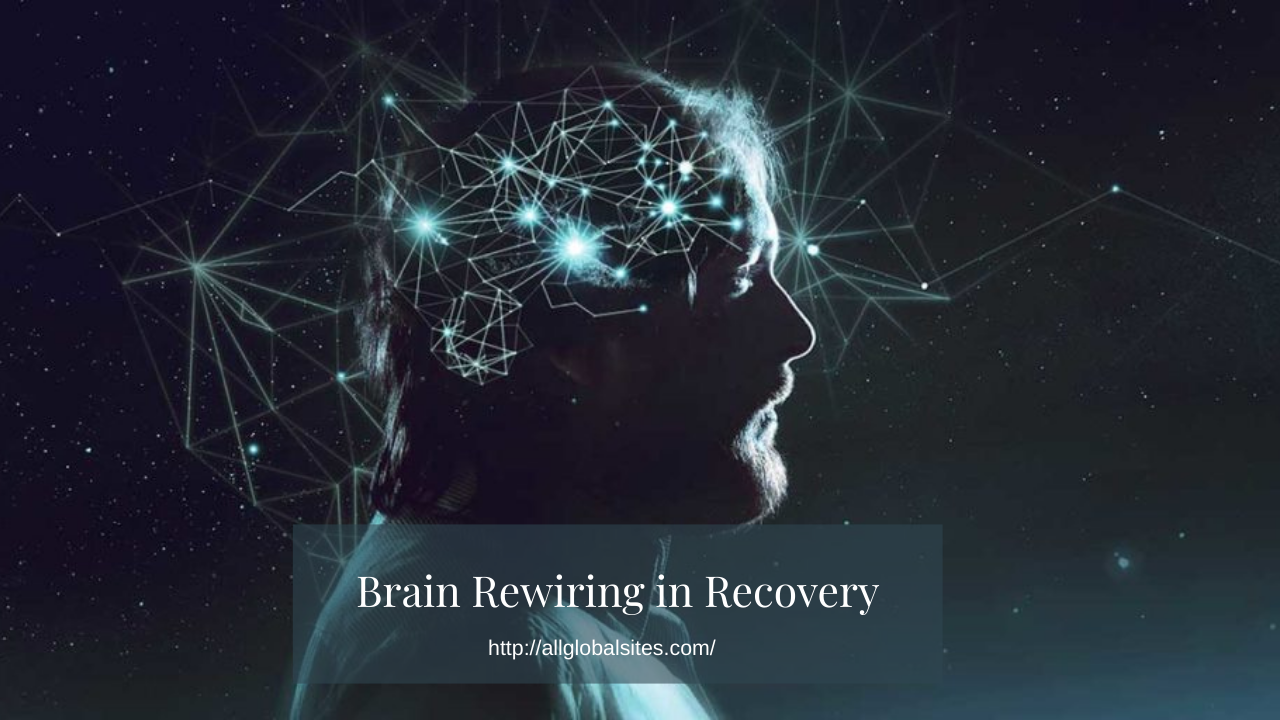
The human brain is capable of change. Through neuroplasticity, new neural pathways can be formed that support recovery and wellness. Residential treatment reinforces this by providing a structured daily schedule, peer support, and wellness practices like mindfulness, exercise, and nutrition. These elements promote cognitive healing and long-term behavioral change.

A Personalized Path to Recovery

At All Global Sites, we know that recovery is not one-size-fits-all. Every client receives an individualized treatment plan tailored to their unique needs, history, and goals. Whether someone is battling opioid dependence, alcohol addiction, or co-occurring mental health conditions, our team designs a recovery journey that addresses the full spectrum of their experience.

Our holistic care approach considers every aspect of the person—mind, body, and spirit. By addressing trauma, improving physical health, and restoring emotional balance, we help clients not just survive addiction but thrive in recovery.

Support That Extends Beyond Treatment

Residential treatment is only the beginning. We prepare each client with a long-term recovery plan that includes outpatient support, relapse prevention strategies, and connections to a recovery community. True healing is a lifelong process, and we walk alongside our clients every step of the way.

Conclusion: Start Your Healing Journey Today

Breaking the habit loop takes more than determination. It takes the right environment, evidence-based tools, and compassionate support. At All Global Sites, our residential treatment programs are built to help you reclaim your life from addiction. If you or a loved one is ready to take the next step, contact us today. A healthier, more hopeful future begins now.

Healing from the Inside Out: How Residential Rehab Rewires the Addicted Brain

Addiction is not just a bad habit—it’s a chronic brain disease that changes how a person thinks, feels, and behaves. Prolonged substance use physically alters the brain’s reward system, weakening self-control and creating powerful cravings. To break free from this cycle, individuals need more than just willpower—they need a process that heals the brain from the inside out. Residential rehabilitation offers the immersive, consistent environment necessary to help rewire the addicted brain and lay the foundation for long-term sobriety.

Understanding the Addicted Brain

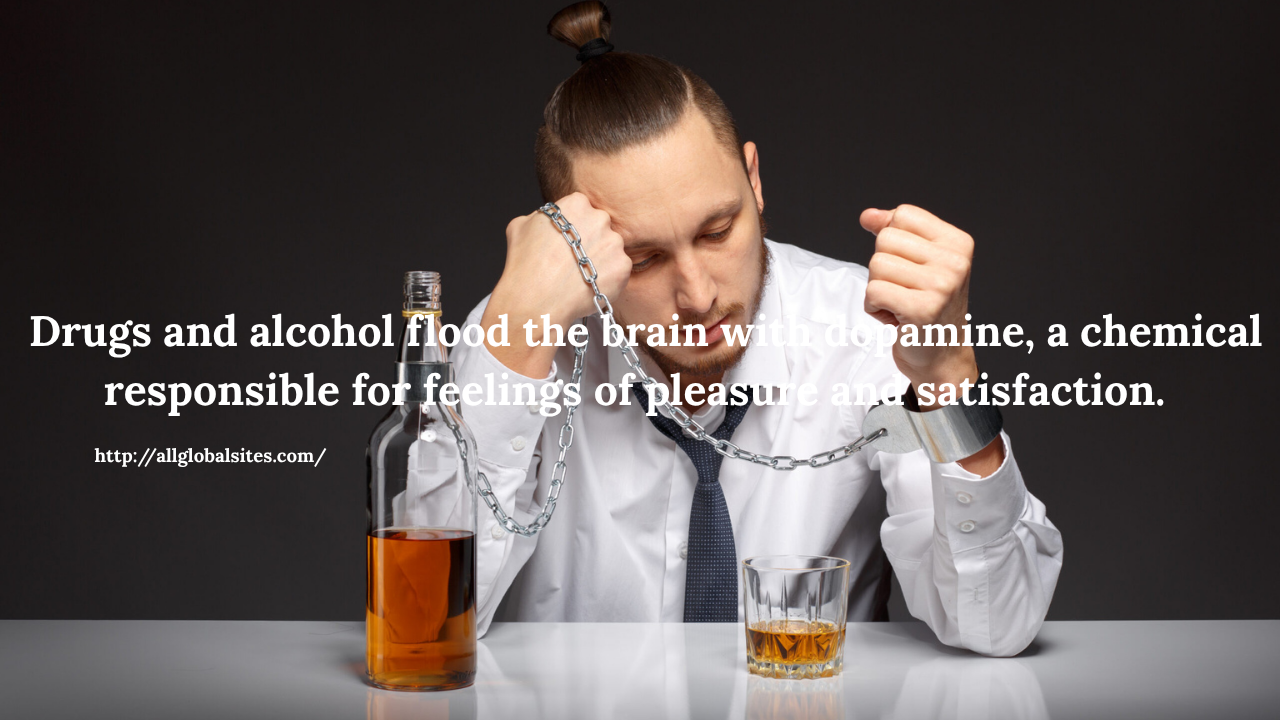
Substance abuse hijacks the brain’s natural reward system. Drugs and alcohol flood the brain with dopamine, a chemical responsible for feelings of pleasure and satisfaction. Over time, the brain becomes dependent on these substances to feel good—or even just to feel normal. Natural sources of pleasure, like relationships, hobbies, or accomplishments, lose their appeal as addiction takes hold.

Additionally, addiction weakens the brain’s prefrontal cortex, the area responsible for decision-making, impulse control, and long-term planning. This is why individuals often continue using despite knowing the severe consequences. Their brain is wired to seek the next high at any cost.

How Residential Rehab Supports Brain Rewiring

Recovery from addiction is about more than stopping substance use—it’s about teaching the brain new ways to think, respond, and cope. Residential rehab provides the intensive support needed for this process, also known as neuroplasticity, where the brain forms new connections and healthier patterns over time.

Consistent Routine and Healthy Habits

Residential rehab programs are structured and consistent. Individuals follow daily routines that include therapy, group support, exercise, healthy meals, and time for rest. This repetition helps the brain adapt to new, healthier habits, slowly replacing the chaos and unpredictability of addiction with stability and balance.

Therapeutic Interventions

Therapies such as Cognitive Behavioral Therapy (CBT), Dialectical Behavior Therapy (DBT), and trauma-focused counseling are central to brain rewiring. These therapies help individuals identify negative thought patterns, challenge destructive behaviors, and develop healthier coping mechanisms. Over time, these new ways of thinking reshape the brain’s pathways, improving emotional regulation and self-control.

Mindfulness and Stress Reduction

Practices like meditation, yoga, and mindfulness exercises are often integrated into residential treatment. These activities help calm the overactive stress centers of the brain, reduce cravings, and improve mental clarity. Research shows that mindfulness can even change brain structure, strengthening the areas involved in focus and emotional balance.

Physical Healing Supports Brain Health

Addiction often damages the body, which in turn affects the brain. In residential rehab, nutrition, exercise, and medical care help restore physical health, providing the body and mind with the fuel needed for healing and cognitive recovery.

Conclusion

Residential rehab offers more than just a break from substances—it offers a chance to heal from the inside out. Through structure, therapy, and holistic care, individuals can rewire their addicted brains, creating new thought patterns, emotional responses, and behaviors that support lasting sobriety. Recovery isn’t just about stopping addiction—it’s about transforming the mind for a healthier, more fulfilling life.

Beyond Sobriety: How Residential Rehab Builds a Foundation for a New Life

For many, entering residential rehab is the first meaningful step toward breaking free from addiction. But recovery isn’t just about putting down the drink or drug—it’s about building an entirely new way of living. Residential rehabilitation doesn’t just help individuals achieve sobriety; it lays the foundation for a healthier, more purposeful life after addiction.

Sobriety Is Just the Beginning

Achieving sobriety is a crucial milestone, but it’s only the starting point. Many people come to rehab after years of emotional pain, damaged relationships, and loss of direction. While stopping substance use is essential, staying sober long-term requires significant lifestyle changes. Residential rehab provides the tools, structure, and support needed to make those changes sustainable.

Within a residential setting, individuals are given the time and space to step away from destructive environments and reflect on the choices that brought them to this point. This pause in everyday life allows for deep personal insight and healing.

Building Healthy Habits and Routines

One of the key advantages of residential treatment is its structure. Rehab programs follow daily routines that include therapy sessions, physical activity, nutritious meals, and time for rest and reflection. This level of structure helps replace chaos with order—a necessary shift for someone recovering from addiction.

Over time, these routines become second nature, forming the building blocks of a stable life post-treatment. Learning how to manage time, maintain personal hygiene, follow a sleep schedule, and prepare healthy meals are small but powerful habits that support long-term wellness.

Emotional Healing and Mental Clarity

Addiction is often linked to unresolved trauma, anxiety, depression, or other mental health challenges. Residential rehab provides an environment where these issues can be addressed head-on through individual and group therapy, trauma-informed care, and dual-diagnosis treatment if needed.

As individuals process their emotions and learn new ways to cope, they begin to develop clarity, self-awareness, and emotional resilience. These inner changes are essential for navigating life’s challenges without turning to substances.

Reconnecting with Purpose and Identity

A life consumed by addiction often causes people to lose sight of their identity and purpose. Residential rehab helps individuals rediscover who they are without substances. Through therapy, spiritual exploration, creative outlets, and peer connection, they begin to uncover their values, passions, and potential.

This rediscovery is vital to long-term recovery. When individuals feel purposeful, they are more motivated to stay sober and engage with life fully.

Preparing for Life After Treatment

Residential rehab also focuses on life beyond the facility. Individuals create relapse prevention plans, learn coping skills, build support networks, and often begin career or educational planning. Many programs offer job-readiness training, life skills classes, and aftercare planning to ensure a smoother transition back into daily life.

Conclusion

Residential rehab is more than a place to get clean—it’s a place to begin again. By fostering emotional healing, teaching life skills, and encouraging personal growth, it helps individuals build a strong foundation for a new life beyond sobriety. It offers not just a break from addiction, but a blueprint for lasting transformation.

Mind, Body, and Spirit: The Holistic Approach of Residential Rehab

Addiction affects every part of a person’s life—not just their physical health, but their mental well-being, emotional balance, relationships, and sense of purpose. That’s why true recovery requires more than just treating the symptoms of substance use. Residential rehabilitation programs that embrace a holistic approach address the whole person—mind, body, and spirit—offering a path to lasting healing and transformation.

Healing the Mind: Addressing Emotional and Mental Health

Substance use disorders are often rooted in, or accompanied by, mental health challenges like anxiety, depression, trauma, or unresolved grief. A holistic residential rehab program recognizes that these issues must be treated alongside addiction to achieve sustainable recovery.

Through individual therapy, group counseling, and evidence-based practices like Cognitive Behavioral Therapy (CBT) or trauma-informed care, residents gain insight into the thoughts and emotions that fuel their substance use. They learn healthier ways to cope with stress, process painful experiences, and manage triggers. The goal is not just sobriety—but mental clarity, emotional resilience, and inner peace.

Mindfulness practices, such as meditation and breathing exercises, are often part of the program as well. These techniques help individuals stay grounded, regulate emotions, and develop a stronger connection to the present moment.

Restoring the Body: Physical Wellness as a Foundation for Recovery

Addiction can take a serious toll on the body, depleting energy, weakening the immune system, and causing long-term health issues. Holistic residential rehab prioritizes physical healing as a vital part of the recovery journey.

Many programs include nutritious meals designed to rebuild strength and support brain health. Regular physical activity—whether it’s yoga, walking, swimming, or gym workouts—helps repair the body, boost mood, and reduce cravings. Some facilities offer additional wellness services like massage, acupuncture, or chiropractic care to further promote physical recovery.

By focusing on the body’s needs, residential rehab helps individuals regain vitality and experience the natural rewards of a healthy lifestyle—rewards that can replace the artificial highs of substances.

Nourishing the Spirit: Rediscovering Meaning and Purpose

Addiction often leaves individuals feeling disconnected—from others, from themselves, and from any sense of meaning in life. Holistic residential rehab helps restore that connection.

This might include spiritual counseling, opportunities for reflection, participation in 12-step or alternative recovery groups, or simply time spent in nature. The goal is to help each person rediscover their sense of purpose, values, and hope. Spiritual healing doesn’t have to be religious—it’s about finding what gives life meaning and direction.

Creative therapies like art, music, or writing are also common in holistic programs, offering residents new ways to express themselves, process emotions, and explore their identity in recovery.

Conclusion

A holistic approach to residential rehab recognizes that addiction recovery is about so much more than stopping substance use. It’s about healing the mind, restoring the body, and nourishing the spirit. By treating the whole person, residential rehab offers not just sobriety—but the opportunity for true, lasting transformation.

From Crisis to Clarity: Why Residential Rehabilitation is a Turning Point

For many individuals struggling with addiction, the moment they seek help often follows a profound crisis—an overdose, a broken relationship, loss of employment, or a growing sense of hopelessness. It’s at this breaking point that residential rehabilitation can become a life-saving and life-changing decision. Far from being just a temporary fix, residential rehab offers a structured, supportive environment where individuals can move from crisis to clarity and begin a transformative journey toward lasting recovery.

The Power of Stepping Away

One of the defining features of residential rehab is the opportunity to step away from everyday life. In the midst of addiction, individuals are often surrounded by stressors, toxic relationships, and environments that fuel their substance use. Trying to recover while staying in the same surroundings can be overwhelming and ineffective.

Residential rehabilitation removes these immediate pressures, allowing individuals to focus entirely on themselves and their recovery. This physical and emotional separation provides a clear mental space where healing can begin. In that calm, controlled setting, the crisis starts to fade, and the process of gaining clarity begins.

Structure Brings Stability

Crisis thrives in chaos, and addiction often disrupts every area of a person’s life—from sleep and nutrition to relationships and responsibilities. Residential rehab replaces chaos with consistency. A structured daily routine, including therapy, group support, exercise, and wellness activities, creates a sense of order and predictability.

This stability helps individuals begin to rebuild their sense of control, make healthier choices, and experience the benefits of a balanced life. Routine doesn’t just manage time—it lays the foundation for long-term behavioral change and personal growth.

Professional Guidance and Emotional Insight

At the heart of residential treatment is access to a team of experienced professionals—therapists, medical staff, addiction specialists, and support workers. These professionals provide not only clinical care but also emotional support and guidance.

Through individual and group therapy, residents begin to understand the root causes of their addiction—unresolved trauma, mental health issues, grief, or chronic stress. As the fog of crisis clears, individuals start to gain insights into their own thoughts and behaviors, uncovering the reasons behind their substance use. This clarity is essential for true healing.

Connection and Community

In residential rehab, people don’t walk their path alone. They are surrounded by others who are also committed to change. Sharing experiences, challenges, and victories with peers who understand creates a powerful sense of belonging and mutual support.

This sense of community helps individuals feel less alone in their struggles and more hopeful about their future. It reinforces the idea that recovery is not only possible—it’s something worth fighting for, together.

A Defining Turning Point

The journey through residential rehab marks more than just a break from substance use—it’s a turning point. It’s where individuals move from surviving to healing, from confusion to understanding, from crisis to clarity. It’s where they begin to envision a future beyond addiction and take the first real steps toward building it.

Conclusion

Residential rehabilitation transforms crisis into opportunity. By providing safety, structure, support, and insight, it becomes the crucial turning point where lives are not just saved—but changed. For many, it is the first time in a long while that they truly see a way forward—and begin to believe in it.

Community and Connection: The Role of Peer Support in Residential Rehab

Addiction thrives in isolation, but recovery flourishes in connection. One of the most transformative aspects of residential rehabilitation is the sense of community it creates. While medical care and therapy are essential components of treatment, peer support plays an equally powerful role in healing. In a residential rehab setting, individuals find more than just treatment—they find understanding, encouragement, and connection with others walking the same path.

Why Peer Support Matters in Recovery

Addiction often disconnects people from their loved ones, careers, and sense of self. Many who struggle with substance use feel shame, guilt, and loneliness. Peer support helps bridge that emotional gap by surrounding individuals with others who truly understand their struggles—not because they’ve studied them, but because they’ve lived them.

When people share their experiences in a safe and supportive environment, it breaks down the walls of isolation. They realize they are not alone in their pain, and this realization can be profoundly healing. In residential rehab, this kind of connection isn’t limited to an hour of group therapy—it’s built into everyday life.

Living and Healing Together

One of the unique advantages of residential treatment is that clients live together in a structured, substance-free environment. This shared living situation creates natural opportunities for peer bonding. From eating meals together to participating in therapy sessions and recreational activities, individuals spend their days supporting, encouraging, and learning from one another.

This constant proximity allows for the development of authentic relationships, which are often missing from the lives of those in active addiction. For many, it’s the first time in a long while that they’ve felt seen, heard, and accepted without judgment.

Accountability and Encouragement

Peer support also fosters accountability. In residential rehab, individuals are not just responsible to themselves—they’re part of a community. When someone is having a difficult day, peers are often the first to notice and step in with empathy or advice. Likewise, celebrating each other’s milestones reinforces a positive group culture where progress is acknowledged and sobriety is respected.

Encouragement from those who have been in similar situations often resonates more deeply than guidance from professionals alone. Knowing that others have faced the same obstacles and made it through can instill a powerful sense of hope.

Learning Through Shared Experience

Everyone in recovery brings a unique story, and each of those stories has value. In group settings and informal conversations, individuals can learn from others’ mistakes and successes. They may discover new coping skills, hear insights that change their perspective, or feel inspired by someone else’s resilience. These shared experiences create a rich, supportive learning environment that deepens the recovery process.

Building Lasting Connections

The relationships formed in residential rehab often extend beyond treatment. Many facilities encourage alumni programs or support networks that keep individuals connected after they leave. These continued peer relationships serve as a lifeline during times of struggle and a reminder that they are part of a community committed to healing.

Conclusion

Community and connection are at the heart of lasting recovery. In residential rehab, peer support provides a powerful foundation for healing by offering understanding, accountability, and hope. When individuals feel connected to others who share their journey, they gain the strength and confidence needed to move forward—and stay sober for the long term.

Rewiring the Brain: How Residential Treatment Promotes Long-Term Sobriety

Addiction is not just a matter of poor choices or weak willpower—it’s a brain-based disease that alters how a person thinks, feels, and behaves. Prolonged substance use changes the brain’s chemistry, creating powerful cravings, impaired decision-making, and emotional instability. To achieve lasting sobriety, these neurological changes must be addressed through focused and sustained treatment. Residential rehabilitation offers the immersive, structured, and therapeutic environment necessary to help rewire the brain and build a solid foundation for long-term recovery.

Understanding the Brain on Addiction

Substance use directly affects the brain’s reward system. Drugs and alcohol artificially stimulate the release of dopamine, the “feel-good” chemical, creating intense feelings of pleasure and reinforcing the urge to use again. Over time, the brain begins to rely on substances to feel normal, reducing its ability to experience pleasure naturally.

This rewiring affects other critical brain areas as well—those responsible for decision-making, impulse control, and emotional regulation. As a result, individuals may struggle to manage stress, resist cravings, or make rational choices, even when they sincerely want to stop using.

Why Residential Rehab Is Ideal for Brain Recovery

Healing the brain takes time, consistency, and focused care—things that residential treatment is specifically designed to provide. In a residential rehab setting, individuals are removed from triggers and placed in a supportive, distraction-free environment where they can begin to heal neurologically and emotionally.

The combination of structure, therapy, and healthy routines creates the ideal conditions for the brain to begin rewiring itself in healthier ways. Just as addiction rewires the brain for dependence, residential treatment helps rewire it for resilience, clarity, and sobriety.

Therapy That Changes Thinking Patterns

One of the most powerful tools used in residential rehab is evidence-based therapy, especially Cognitive Behavioral Therapy (CBT). CBT helps individuals identify and change the negative thought patterns that fuel addiction. By challenging irrational beliefs and learning new coping mechanisms, individuals begin to form healthier ways of thinking.

This process directly influences brain activity. Research shows that therapy can actually strengthen neural pathways associated with self-control, problem-solving, and emotional regulation—key areas that are often impaired by substance use.

Routine and Repetition: Building New Neural Pathways

In residential rehab, daily routines are consistent and intentional. Activities like therapy, group support, mindfulness practices, exercise, and healthy meals are repeated day after day. This repetition is critical because it helps form new neural pathways in the brain. Over time, healthy behaviors become second nature, replacing the compulsive behaviors linked to addiction.

This process is similar to physical training. Just as regular exercise strengthens muscles, regular positive experiences strengthen the brain’s capacity to function without substances.

Support That Reinforces Change

In addition to therapy and structure, residential rehab provides 24/7 support from trained professionals and peers. This constant encouragement reinforces healthy behaviors and helps individuals stay on track when cravings or emotional challenges arise. The support network in a residential setting plays a key role in sustaining the brain’s healing process.

Conclusion

Addiction alters the brain, but recovery can rewire it. Residential treatment offers the intensive, consistent, and supportive environment needed to reverse the neurological damage caused by substance use. Through therapy, structure, and repetition, individuals learn to think, feel, and live differently—paving the way for long-term sobriety and a healthier future.


How Residential Rehabilitation Empowers Lasting Change

Residential rehabilitation is widely regarded as a highly effective approach to addiction treatment, providing individuals with the structured environment and comprehensive support necessary to achieve lasting recovery.

Structured Environment

One of the key advantages of residential rehabilitation is the structured environment it offers. This setting is crucial for individuals who struggle with addiction, as it removes them from the triggers and temptations of their everyday lives. In a residential rehab facility, every aspect of daily life is designed to support recovery, from the routine of meals and activities to the supervision of trained professionals. This structure helps to eliminate distractions and allows individuals to focus solely on their healing process.

Comprehensive Support

Residential rehabilitation provides comprehensive support that addresses not only the physical aspects of addiction but also the psychological and emotional components. This holistic approach is essential for lasting change, as addiction is often rooted in deep-seated issues that require more than just detoxification. In residential rehab, patients have access to a variety of therapies, including individual counseling, group therapy, and family therapy. These therapeutic modalities help individuals explore the underlying causes of their addiction, develop coping strategies, and build healthier relationships.

Access to Medical Care

Many individuals entering residential rehabilitation require medical care to manage withdrawal symptoms and address any co-occurring health conditions. In a residential setting, medical professionals are available around the clock to provide the necessary care and support. This immediate access to medical assistance ensures that patients can safely navigate the withdrawal process and begin their recovery journey on a solid foundation. Additionally, the presence of medical staff can help in managing any potential complications that may arise during treatment.

Peer Support and Community

One of the most powerful aspects of residential rehabilitation is the sense of community it fosters. Living alongside others who are facing similar challenges creates a supportive environment where individuals can share their experiences, offer encouragement, and build meaningful connections. This peer support is invaluable, as it helps individuals feel less isolated and more understood. The bonds formed in residential rehab can be a crucial source of motivation and accountability, both during treatment and in the long-term recovery process.

Life Skills and Relapse Prevention

Residential rehabilitation also focuses on equipping individuals with the life skills and relapse prevention strategies they need to maintain their sobriety once they leave the facility. This includes teaching practical skills such as stress management, effective communication, and healthy lifestyle choices. By addressing these areas, residential rehab helps individuals build a toolkit of resources that they can draw upon in their everyday lives to navigate challenges without turning to substance use.

Transitioning to Aftercare

The journey of recovery does not end when an individual leaves a residential rehabilitation facility. A successful transition to aftercare is crucial for maintaining the progress made during treatment. Residential rehab programs often include comprehensive aftercare planning, which may involve ongoing therapy, support groups, and other resources to help individuals stay on track. This continuity of care ensures that individuals have the ongoing support they need to navigate the challenges of early recovery and beyond.

Residential rehabilitation empowers lasting change by providing a structured, supportive environment that addresses the multifaceted nature of addiction. Through comprehensive care, peer support, life skills training, and robust aftercare planning, residential rehab helps individuals build a strong foundation for a life free from addiction. For many, this immersive and holistic approach is the key to achieving lasting recovery and reclaiming their lives.